Ecuadorian geothermal development and operating partner

Enabling geothermal development in Ecuador.

URKO° represents international companies and leads their entry, investment and execution strategy in Ecuador — from market entry through development and operations.

Clean energy from the heart of the Earth
250–290 °CReservoir temperature, Chacana caldera, at 700–1,200 mCELEC EP prefeasibility, 2011
235 °CWell PEC-1, Chachimbiro, at 1,978 m — about 111 °C/kmCELEC EP, 2017
534 MWPrefeasibility estimate across the three most advanced prospectsChalupas · Tufiño · Chachimbiro
Why now

The resource is documented. The demand is here. The rules are what is missing.

USD 0.88 /kWh
Price Ecuador paid Colombia for imported electricity on 7 September 2026 — nearly three times the USD 0.33/kWh of early August, after Colombia restricted exports to thermal generation from liquid fuels. CENACE suspended purchases that day, at the doorstep of the dry season. The preferential tariff for geothermal in Ecuador is USD 0.147/kWh.
CENACE · CND · CREG Circular 343 · ARCONEL-005/25 · Sept 2026
USD 5.19 /gal
Terminal price of industrial-sector diesel (Diesel Premium, VAT included) from 12 September 2026 — the fuel behind the self-generation that industry is installing, while subsidised road diesel sells at USD 3.15. At typical genset efficiency, fuel alone costs roughly USD 0.35–0.40 per kWh.
EP Petroecuador · price structure 12 Sept – 11 Oct 2026
534 MW
Geothermal capacity at prefeasibility stage across Ecuador's three most advanced prospects.
Chalupas 283 · Tufiño 138 · Chachimbiro 81
~1,000 MW
Structural shortfall of firm capacity exposed by the September–March dry seasons, in a system about 70% dependent on hydropower.
CENACE · Ministry of Environment and Energy, 2026
18 months
Deadline for large high-voltage consumers to secure their own generation under Executive Decree 32 of June 2025. Industry installed close to 465 MW of self-generation in 2025.
Executive Decree 32 · 2025
USD
A dollarized economy — no currency-conversion risk in a twenty-year power purchase agreement — with a sovereign rating raised to B, stable outlook, in August 2026.
S&P Global, 14 August 2026
What we do

A local partner for international companies.

Working alongside developers, investors, engineering firms and technology providers, URKO° structures investments, establishes and manages local entities and operating platforms, coordinates regulatory and stakeholder processes, and oversees projects from market entry through development and operations. Our objective is to accelerate market entry, reduce development risk and build successful, long-term geothermal partnerships in Ecuador.

Market Access

The local presence, relationships and strategic positioning required to operate effectively in Ecuador. We serve as the interface between international partners and the country's regulatory, institutional and business environment — identifying opportunities, navigating permitting frameworks, building strategic alliances and establishing a long-term presence in the market.

Structuring & Capital Solutions

The foundations of successful project development: corporate establishment, regulatory strategy, project structuring, financing approaches, partnership frameworks, stakeholder alignment and selective co-investment. Our role is to help international companies build durable and scalable operating platforms in Ecuador.

Project Execution

An operational platform from early-stage opportunity assessment through exploration and development. By coordinating local resources, environmental and social assessments, stakeholder engagement, permitting and on-the-ground execution, we help transform promising opportunities into viable projects while reducing development and execution risk.

Partner categoryOrganizationsWhat they needURKO°'s partnership and services
Project Developers & Asset OwnersGeothermal developers, IPPs, utilities, infrastructure developersMarket entry, project origination, local execution, permitting, stakeholder managementProject origination, prospect screening, regulatory strategy, permitting support, community engagement, government relations, JV structuring, SPV creation, project development management, co-investment participation
Investors & Capital ProvidersInfrastructure funds, private equity, family offices, DFIs, climate funds, export credit agenciesBankable opportunities, local presence, risk reduction, project pipelineOpportunity sourcing, due diligence, project structuring, ESG and stakeholder programs, investment monitoring, local representation, consortium formation, fundraising support, co-investment
Strategic Industry EntrantsInternational energy companies, diversified industrial groups, mining companies, oil and gas companies entering geothermalCountry platform, strategic positioning, long-term operating presenceMarket intelligence, regulatory analysis, country-entry strategy, partner sourcing, subsidiary formation, local corporate management, operational infrastructure set-up, government engagement, investment structuring
Drilling & Field Service ProvidersGeothermal drilling contractors, oilfield service companies, directional drilling firms, well-testing companiesLocal operations, market access, project pipeline, workforce, logisticsBusiness development, local representation, subsidiary formation, operating licences, recruitment, logistics hubs, drilling support facilities, operational base set-up, HSE systems, stakeholder management, local supply-chain development
Technology Providers & OEMsTurbine manufacturers, binary plant suppliers, wellhead generation providers, pumps, reinjection systems, instrumentation providersMarket access, local support capability, customer proximityCommercial representation, customer development, local subsidiary set-up, service-centre establishment, repair workshops, spare-parts warehouses, technician recruitment, warranty support, field-service organization, government and customs support
Engineering, EPC & Technical ServicesEPC contractors, engineering consultancies, geoscience firms, reservoir consultants, environmental specialistsLocal execution capability, permitting, project supportPermitting management, contractor sourcing, field-campaign organization, logistics coordination, land access, local staffing, procurement support, community engagement, project management, partner coordination
The resource

Seven documented prospects across the Andean calderas and the inter-Andean valleys.

Nearly five decades of public exploration — INECEL and OLADE from 1979, CELEC EP and INER after 2007 — have left Ecuador with a portfolio that is known at prospect level and, in the leading cases, at prefeasibility. The table summarizes it on uniform terms; detailed sheets are published in the Projects section as they are completed.

ProspectSettingTemperatureStatusPotential / use
ChacanaRhyolitic caldera, Cordillera Real, ~40 km east of Quito; existing transmission line250–290 °C at 700–1,200 m (geothermometry)Prefeasibility complete; ready for slim-hole drilling52 MW surface estimate (Jamanco 13 + Cachiyacu 39)
ChachimbiroImbabura, north-west of Ibarra225–235 °C; well PEC-1: 235 °C at 1,978 m (2017)Only deep exploration well in the country81 MW
ChalupasRhyolitic caldera around the Quilindaña volcano, Cordillera RealHigh enthalpy (inferred); reservoir at ~1,900 mConceptual model complete (INECEL, 1983)283 MW
Tufiño–Chiles–Cerro NegroCarchi, binational area with Colombia (250 km²)High enthalpy (model, 1987)First slim hole in Ecuador, 554 m (2009)138 MW
Baños de CuencaEight kilometres from Cuenca, the country's third city75 °C at surface — the hottest spring in Ecuador; ~100–145 °C at depthPreliminary evaluation (INER, 2014)Direct use and binary generation
IlalóInterandean valley beside Quito's fastest-growing districts22–42 °C at surface; 85–105 °C at depthDrilling target defined in 1988; ~1.35 MWt in use at spasDirect heat for industry, binary generation
ChalpatánCaldera 20 km south-west of TulcánBelow 120 °CPrefeasibility (2013)Industrial and agricultural heat

Beyond the prospects listed above, URKO° holds proprietary project profiles, prepared by our staff, for additional areas in the northern and central highlands and on the coast. They are shared with qualified partners under confidentiality.

Sources [1]–[10] and [14] under References. Potentials are surface-based estimates and are stated as published.

How we work

Capital committed in stages, with a decision at every gate.

Geothermal exploration carries high uncertainty and low cost at the start, and low uncertainty and high cost at the end. URKO° structures every project so that the expensive step — deep drilling — is taken only once the inexpensive science has earned it.

Stage 1

Preliminary survey

Prospectivity assessment: geology, surface geochemistry, thermal manifestations and all existing data, over regional areas of 1,000 km² or more.

Gate: is there a system worth mapping?
Stage 2

Exploration

Geophysics (magnetotellurics, gravity), hydrogeology and a conceptual reservoir model over the prospect area, typically 400–500 km², to prefeasibility standard.

Gate: where exactly do we drill?
Stage 3

Test drilling

Slim-hole and exploration wells confirm temperature, permeability and flow, and take the project to feasibility. Wellhead units of 1–5 MW can generate early revenue.

Gate: is the resource bankable?
Stage 4

Development

Production drilling, plant engineering, grid connection and operations under a long-term power purchase agreement.

Gate: financial close.

For industrial and mining clients

For industrial and mining clients with access to an identified thermal resource, including geothermal fluids, mine water, process heat streams, or geothermal springs, URKO° employs a two-phase development model designed to reduce technical and commercial uncertainty.

Phase I: Resource Validation is proposed as a fixed-term study that assembles the technical experts, technology providers, and specialist advisors required to evaluate resource potential, energy production, project economics, and development feasibility.

Phase II: Asset Development advances viable opportunities through engineering, project structuring, financing support, permitting, and partner engagement. URKO° may support project delivery directly or facilitate the participation of established developers, investors, technology suppliers, EPC contractors, and operators, creating a clear pathway from thermal resource to bankable energy asset.

For international developers and investors

URKO° provides the country platform: prospect screening against the documented portfolio, regulatory strategy in a market without a dedicated geothermal concession regime yet, local entities and permits, community and government engagement, and a seat at the table where Ecuador's geothermal rules are being written.

Leadership

Subsurface and contracts.

Pedro Freile Paz y Miño

Pedro Freile Paz y Miño

Chairman · Petroleum Engineer

Download contact card (vCard)

As Chairman of URKO° Energy, Mr. Freile contributes strategic leadership grounded in a lifetime of experience in Ecuador's energy sector and extensive collaboration with international operators, investors and technology partners. His deep understanding of the country's business, regulatory and stakeholder landscape strengthens URKO°'s ability to bridge international capital with local execution, supporting the responsible development of world-class geothermal projects and creating a platform for long-term investment in Ecuador.

A petroleum engineer by training, Mr. Freile brings more than five decades of leadership experience across Ecuador's energy, infrastructure and natural-resources sectors. Throughout his career he has held some of the most senior positions in the country's energy industry, including Vice President of Petroecuador, Vice President of Petroproducción, General Manager of the Trans-Ecuadorian Pipeline System (SOTE/OTE) and Director General of Geology and Mines, overseeing strategic assets critical to the country's economic development.

In the private sector, Mr. Freile served as General Manager of Helcan, the Ecuadorian subsidiary of Canadian Helicopters (CHC), and as Operations Manager of Helipet-Ecuavia, both logistics-intensive businesses serving upstream oil and gas operations across Ecuador.

Building on this operational experience, Mr. Freile held senior executive and advisory responsibilities at Ecuapet and Catena, representing international technology leaders such as Sulzer and Capstone in Ecuador. Through these roles he developed extensive experience working with foreign investors, operators and technical partners, overseeing initiatives in production facilities, well-testing operations, process engineering, fluid-transfer systems and energy projects aimed at converting associated gas into reliable power generation.

Mr. Freile's approach to leadership is guided by the conviction that Ecuador's natural resources should be developed with foresight, discipline and a commitment to future generations. He sees geothermal energy as a transformative opportunity to strengthen the nation's energy security, enhance economic development and expand the country's renewable energy base. Through careful stewardship and strategic decision-making, he seeks to position URKO° Energy as a catalyst for sustainable growth while contributing to Ecuador's long-term prosperity and energy resilience.

Pedro José Freile

Pedro J. Freile

CEO · Attorney at Law

Download contact card (vCard)

As Chief Executive Officer of URKO° Energy, Mr. Freile brings nearly three decades of experience structuring, negotiating and closing energy and infrastructure transactions in Ecuador on behalf of international counterparties. His practice has concentrated on the point where foreign capital meets local execution: the contracts, regulatory authorizations and risk allocation that carry a project to financial close. Ecuador holds first-rate geothermal resources, and URKO°'s task is to build the framework of data, rules and contractual instruments that makes them investable. That is the company's first assignment, and it is precisely the work Mr. Freile has done throughout his career.

A lawyer by training, Mr. Freile founded the firm AFC&L Abogados in 1997 and led it for more than two decades, specializing in the legal and financial structuring of electricity generation projects — principally hydroelectric — as well as thermoelectric, oil, industrial and logistics projects for public and private sponsors. As lead negotiator he has taken part in contracting and financing operations exceeding USD 6 billion, with counterparties from Ecuador, Canada, the United States, Germany, Spain, Switzerland, France and China.

His transactional record spans the principal Ecuadorian energy projects of the past twenty-five years. He served as special attorney and negotiator for Siemens, Voith-Siemens Hydro Power Generation, SantosCMI and Alstom Hydro Energia Brasil in the Mazar Hydroelectric Project; for Harbin Electric International in the 500 kV transmission line of the National Interconnected System; and for Hydrochina in the Delsitanisagua Project. He led the legal and financial structuring of the Sabanilla Hydroelectric Project, advised Alstom Power on Sabanilla, Quijos, Ocaña, San Francisco and Mazar, and handled regulatory and administrative litigation matters for EnCana, Andes Petroleum and PetroOriental. On behalf of The AES Corporation he acted as special attorney and head of mission in the privatization of Ecuador's electricity distribution, including the international tender for the Guayaquil concession.

Mr. Freile is currently General Manager of Ecuaenergía Cía. Ltda. in Quito, general attorney-in-fact of Energy33 LLC (Miami, Florida) and adviser to the CEO and general attorney-in-fact of Power Solutions N.V. (Belgium) — a platform that keeps URKO° connected with operators and investors in North America and Europe. He is a member of the Ibero-American Energy Law Association (ASIDE) and works in Spanish, English and German.

Mr. Freile's conviction is explicit: Ecuador's geothermal industry begins the moment someone takes responsibility for making it exist. The resource has been documented for four decades, and the country now has both the demand and the credit standing to justify its development. URKO° Energy was created to build the rules, the data and the contractual instruments that allow international capital to take on drilling risk in Ecuador — so that the country's first geothermal megawatt follows as a consequence.

Ecuador

The country.

A geothermal province on the Pacific Ring of Fire

Ecuador sits on the active margin where the Nazca Plate subducts beneath South America. Two parallel mountain ranges — the Western Cordillera and the Cordillera Real — enclose the Interandean Depression, a valley filled with several thousand metres of volcanic and volcano-sedimentary deposits. Running north to south through the highlands, the Ecuadorian Volcanic Belt is roughly 80 kilometres wide and hosts more than forty active volcanoes, thirty-six of them with Holocene activity. Beyond the great stratovolcanoes, a belt of silicic calderas — Chacana and Chalupas among them — forms what geologists call the Ecuadorian Rhyolitic Province, the setting in which the country's highest-temperature systems have been identified.

A resource that has been measured, not merely inferred

Ecuador's geothermal resource has been documented since the national reconnaissance carried out by INECEL and OLADE in 1979–1980. Surface geochemistry indicates reservoir temperatures of 250–290 °C in the Chacana caldera, at an estimated depth of 700 to 1,200 metres, and of 225–235 °C at Chachimbiro. In 2017, exploration well PEC-1 at Chachimbiro, drilled by the state utility CELEC EP, recorded 235 °C at 1,978 metres — a thermal gradient close to 111 °C per kilometre, in the range of the world's established volcanic geothermal provinces. Prefeasibility studies place 534 MW across the three most advanced prospects: Chalupas, Tufiño-Chiles-Cerro Negro and Chachimbiro. Medium- and low-temperature systems near Quito and Cuenca, studied since the 1980s, add a second tier of opportunities for direct heat use and binary-cycle generation.

A country that has explored, paused and returned

Ecuador was among the first countries in Latin America to undertake geothermal reconnaissance and prefeasibility work, and in 1982 launched what its National Energy Institute described as possibly the region's first medium- and low-enthalpy project, at the Ilaló volcano east of Quito. Exploration was interrupted in 1993 and again in 2002, resumed after 2007 under a national policy of energy diversification, and produced prefeasibility studies for Chacana, Chachimbiro and Chalpatán between 2011 and 2013. The knowledge exists; what has been missing is continuity, and the framework that allows private capital to carry it forward.

A firm-energy gap that geothermal is uniquely placed to fill

Ecuador's electricity system depends on hydropower for roughly seventy per cent of its supply, and dry seasons between September and March have exposed a structural shortfall of about one thousand megawatts of firm capacity. Executive Decree 32 of June 2025 now requires large consumers connected to the high-voltage grid to secure their own generation, and industry installed close to 465 MW of self-generation in 2025 alone. Geothermal power is the only domestic resource that is both firm and independent of rainfall.

An investable economy

Ecuador is the only dollarized economy in the Andes, which removes currency-conversion and devaluation risk from long-term power purchase agreements by monetary regime rather than by contractual clause. In August 2026 S&P Global raised the sovereign rating to B with a stable outlook, the third upgrade of the year. Industrial electricity tariffs, at about USD 0.097 per kilowatt-hour, are lower than in Chile, Brazil, Mexico or Colombia.

What remains to be built

Ecuador has no dedicated geothermal concession regime, no consolidated national geothermal data set and no mechanism to share the risk of a first exploration well. These are not geological problems. They are problems of rules, data and risk allocation — and they are the problems URKO° was created to solve.

Projects

Project sheets.

Ecuador's geothermal prospects and URKO°'s project opportunities, presented in a uniform format so that every project can be read and compared on the same terms. The seven sheets below were prepared by URKO° Energy from the public record. Fields without confirmed data are marked "To be confirmed" rather than omitted, so that information gaps remain visible as a working agenda.

High enthalpy (> 200 °C) Medium enthalpy (100–200 °C) Low enthalpy / direct use To be characterized
PROJECT SHEET 01 · BY URKO° ENERGY

Chacana

Advanced studies
Location
Chacana caldera, Cordillera Real, Napo/Pichincha, about 40–60 km east of Quito. Sub-areas Cachiyacu and Jamanco; Papallacta on the eastern rim. Existing transmission line nearby.
System type
Liquid-dominated hydrothermal system, two-phase, with significant gas–water interaction between deep magmatic volatiles and the geothermal waters.
Temperature
Surface springs up to 72.9 °C (Papallacta–Jamanco–Cachiyacu). Reservoir 250–290 °C by geothermometry (Jamanco ~260 °C, Cachiyacu ~290 °C); helium R/Ra 4–7.6 indicates a mantle-derived magmatic signature.
Reservoir depth
Top of reservoir estimated at 700–1,200 m below surface (hydrostatic-pressure hypothesis).
Estimated potential
13 MW Jamanco + 39 MW Cachiyacu (surface-based estimates, Lloret & Labus 2014). A theoretical 1,480 MW for the whole caldera (Aguilera 2010) is not used publicly.
Next step
Two slim holes at 600 m and 900 m; magnetotelluric survey to confirm the Cachiyacu upflow.
Full sheet
LocationChacana caldera, Cordillera Real, Napo/Pichincha, about 40–60 km east of Quito. Sub-areas Cachiyacu and Jamanco; Papallacta on the eastern rim. Existing transmission line nearby.
System typeLiquid-dominated hydrothermal system, two-phase, with significant gas–water interaction between deep magmatic volatiles and the geothermal waters.
TemperatureSurface springs up to 72.9 °C (Papallacta–Jamanco–Cachiyacu). Reservoir 250–290 °C by geothermometry (Jamanco ~260 °C, Cachiyacu ~290 °C); helium R/Ra 4–7.6 indicates a mantle-derived magmatic signature.
Reservoir depthTop of reservoir estimated at 700–1,200 m below surface (hydrostatic-pressure hypothesis).
Heat sourceDeep magmatic volatiles; residual heat of the resurgent silicic magma body beneath the caldera, fed along a 19 km N–S axial fracture and ring faults.
ReservoirFractured pre-caldera volcanic rocks (Pisayambo and Niñarumi formations) above a granitic intrusion; ring fault zone about 1 km wide with notable alteration and sulphides.
Cap rockCaldera fill: Baños Rhyolitic Series and altered black dacitic lavas. To be confirmed by drilling.
EvidenceNumerous diffuse thermal springs; three water families (bicarbonate recharge, alkaline Cl–SO4 reservoir waters, peripheral bicarbonate); probable upflow at Cachiyacu (samples J11–J16) pending magnetotellurics; saturation indices converge at 200–250 °C. Volcanic activity as recent as AD 1760 (Papallacta lava flow).
Studies to dateOLADE/INECEL reconnaissance (1979–80); CELEC EP prefeasibility with SYR (2011): fluid geochemistry (B. Beate) and caldera geology (M. Hall, P. Mothes); INER review (2014); environmental impact assessment in progress (2014); IIGE analysis for joint venture.
Estimated potential13 MW Jamanco + 39 MW Cachiyacu (surface-based estimates, Lloret & Labus 2014). A theoretical 1,480 MW for the whole caldera (Aguilera 2010) is not used publicly.
StatusAdvanced studies — prefeasibility complete; described as nearly ready for deep exploration drilling (WGC 2023).
Next stepTwo slim holes at 600 m and 900 m; magnetotelluric survey to confirm the Cachiyacu upflow.
Commercial readingThe prospect with the best profile for private capital: highest documented temperatures, shortest distance to the Quito load centre, existing transmission line and the least institutional friction. The bottleneck is regulatory, not geological.
SourcesBeate (SYR/CELEC EP, 2011); Hall & Mothes (SYR/CELEC EP, 2011); Lloret & Labus (INER, 2014); Geothermal Country Update Ecuador (WGC 2023); URKO knowledge base §4.1.
PROJECT SHEET 02 · BY URKO° ENERGY

Chachimbiro

Advanced studies
Location
Imbabura province, north-west of Ibarra; Mina Azufre and Pujumbí faults; Chachimbiro and Timbuyacu springs; Azufre ravine.
System type
High-enthalpy hydrothermal–magmatic system with alkaline-chloride waters (Cl 1,500–2,250 mg/l).
Temperature
Springs 46–61 °C. Reservoir 225–235 °C by Na/K geothermometry, 280–315 °C by gas geothermometers. Well PEC-1 (2017): 235 °C at 1,978 m, a gradient close to 111 °C/km.
Reservoir depth
About 2,000 m (well PEC-1 reached 1,978 m at 235 °C).
Estimated potential
81 MW (Beate 2010; Lloret & Labus 2014).
Next step
Production test of PEC-1 and 1,500 m slim hole recommended; feasibility study under the JICA credit.
Full sheet
LocationImbabura province, north-west of Ibarra; Mina Azufre and Pujumbí faults; Chachimbiro and Timbuyacu springs; Azufre ravine.
System typeHigh-enthalpy hydrothermal–magmatic system with alkaline-chloride waters (Cl 1,500–2,250 mg/l).
TemperatureSprings 46–61 °C. Reservoir 225–235 °C by Na/K geothermometry, 280–315 °C by gas geothermometers. Well PEC-1 (2017): 235 °C at 1,978 m, a gradient close to 111 °C/km.
Reservoir depthAbout 2,000 m (well PEC-1 reached 1,978 m at 235 °C).
Heat sourceMagmatic: isotopic evidence of magmatic contribution of water, carbon, sulphur and helium.
ReservoirFractured volcanic sequence controlled by the Mina Azufre and Pujumbí faults. Permeability reported as high by CELEC EP; no production test published.
Cap rockTo be confirmed.
EvidenceThermal springs and fumarolic alteration; complete fluid geochemistry (2011); one deep exploration well with measured temperature (2017).
Studies to dateINECEL prefeasibility (1981–83); IAEA isotope studies (1999–2001); CELEC EP prefeasibility concluded 2012 (65% probability of success); exploration well PEC-1 (2017); JICA credit for feasibility signed, consultancy not yet awarded.
Estimated potential81 MW (Beate 2010; Lloret & Labus 2014).
StatusAdvanced studies — the only deep geothermal exploration well in Ecuador; project stalled since 2025 on water-rights administration and an unawarded feasibility consultancy.
Next stepProduction test of PEC-1 and 1,500 m slim hole recommended; feasibility study under the JICA credit.
Commercial readingThe prospect that proved the resource and the argument for a different development model: seven years waiting for the credit, no disbursement, no production test. Reference asset rather than immediate entry point.
SourcesBeate (SYR/CELEC EP, 2011); Lloret & Labus (INER, 2014); Geothermal Country Update Ecuador (WGC 2023); URKO Houston Dossier (2026); URKO knowledge base §4.2.
PROJECT SHEET 03 · BY URKO° ENERGY

Chalupas

Prefeasibility
Location
Cordillera Real (0°44′ S, 78°20′ W). Rhyolitic caldera whose centre is occupied by the Quilindaña stratovolcano (4,878 m); the rim lies about 5 km from the south-east flank of Cotopaxi. Caldera floor at about 3,600 m.
System type
Caldera-hosted convective hydrothermal system.
Temperature
High enthalpy inferred from surface indicators; not yet measured at depth.
Reservoir depth
About 1,900 m (INECEL conceptual model).
Estimated potential
283 MW (Almeida 1990; Lloret & Labus 2014) — the largest surface-based estimate in the country.
Next step
Resistivity and magnetotelluric campaign, then exploration drilling.
Full sheet
LocationCordillera Real (0°44′ S, 78°20′ W). Rhyolitic caldera whose centre is occupied by the Quilindaña stratovolcano (4,878 m); the rim lies about 5 km from the south-east flank of Cotopaxi. Caldera floor at about 3,600 m.
System typeCaldera-hosted convective hydrothermal system.
TemperatureHigh enthalpy inferred from surface indicators; not yet measured at depth.
Reservoir depthAbout 1,900 m (INECEL conceptual model).
Heat sourceConvective system fed by the caldera's magmatic roots; ascent of endogenous fluids from the reservoir.
ReservoirPliocene volcanic basement and Chalupas lavas, 1,000–2,000 m thick, with high secondary permeability from cone destruction and caldera collapse.
Cap rock200–500 m of pyroclastics, lacustrine sediments, lahars and moraines, highly impermeable; self-sealing by mineral precipitation likely at the reservoir top.
EvidenceHydrothermally altered rock fragments in the pyroclastic products; thermal springs with temperature, boron and ammonia anomalies suggesting ascent of endogenous fluids. The Chalupas ash flow (~100 km³, 0.21 Ma) marks the caldera-forming eruption.
Studies to dateINECEL exploration and conceptual model (1983, incomplete); CONELEC project profile by B. Beate (2008); IAEA geochemistry; suspended by CELEC EP pending Chachimbiro.
Estimated potential283 MW (Almeida 1990; Lloret & Labus 2014) — the largest surface-based estimate in the country.
StatusPrefeasibility — conceptual geological model complete; geophysics (Schlumberger resistivity, magnetotellurics) pending.
Next stepResistivity and magnetotelluric campaign, then exploration drilling.
Commercial readingNatural candidate for the next deep exploration programme: complete conceptual model, largest estimated potential, proximity to Cotopaxi to be assessed for volcanic risk.
SourcesINECEL (1983); Beate (2008); Lloret & Labus (INER, 2014); Hall & Mothes (2011); URKO memo F1; URKO knowledge base §4.3.
PROJECT SHEET 04 · BY URKO° ENERGY

Tufiño – Chiles – Cerro Negro

Prefeasibility
Location
Carchi province, on the border with Colombia; binational area of 250 km² under the 1982 Ecuador–Colombia agreement.
System type
High-enthalpy volcanic hydrothermal system (preliminary model, 1987).
Temperature
High enthalpy inferred (model 1987); first slim hole reached 554 m in 2009.
Reservoir depth
To be confirmed; a 1,500 m slim hole was recommended.
Estimated potential
138 MW (Almeida 1990; Beate 2010).
Next step
1,500 m slim hole; binational institutional framework.
Full sheet
LocationCarchi province, on the border with Colombia; binational area of 250 km² under the 1982 Ecuador–Colombia agreement.
System typeHigh-enthalpy volcanic hydrothermal system (preliminary model, 1987).
TemperatureHigh enthalpy inferred (model 1987); first slim hole reached 554 m in 2009.
Reservoir depthTo be confirmed; a 1,500 m slim hole was recommended.
Heat sourceChiles–Cerro Negro volcanic complex.
ReservoirTo be confirmed.
Cap rockTo be confirmed.
EvidenceThermal manifestations; 53 vertical electrical soundings (1986–87); magnetotelluric/TDEM re-analysis by a private consultancy (2014).
Studies to dateOLADE–INECEL–AQUATER binational model (1986–87); IAEA isotope studies (1999–2001); MEER restart and first geothermal slim hole in Ecuador, 554 m (May 2009); letter of intent with Colombia (April 2025) with no verifiable progress since.
Estimated potential138 MW (Almeida 1990; Beate 2010).
StatusPrefeasibility — binational; no funding secured.
Next step1,500 m slim hole; binational institutional framework.
Commercial readingTechnically attractive but institutionally the most complex prospect: two governments, no funds and no defined operator. Best suited to a public–private binational structure.
SourcesOLADE/INECEL/AQUATER (1987); Lloret & Labus (INER, 2014); URKO Houston Dossier (2026); URKO knowledge base §4.4.
PROJECT SHEET 05 · BY URKO° ENERGY

Baños de Cuenca

Preliminary evaluation
Location
Baños parish, 7–8 km south-west of Cuenca, the country's third city, twenty minutes from the centre; springs at about 2,700 m; INER study area 222 km².
System type
Medium-enthalpy system with sodium-chloride waters of high salinity in equilibrium with limestone; meteoric origin with recharge at about 3,200 m.
Temperature
75 °C at surface — the highest spring temperature recorded in Ecuador; six springs within 1 km² (35–74 °C). Reservoir about 100 °C (range 100–145 °C, INER 2014); the 200 °C of 1990 was discarded.
Reservoir depth
Probably about 2 km; alternative model with shallow reservoirs at 300–600 m (Biblián/Azogues).
Estimated potential
Not quantified in MW; direct use and binary generation; theoretical industrial contribution ~2,000 TOE/year (1988).
Next step
Helium and sulphur-34 isotopes on two springs; shallow gradient well (≤500 m) with flow test.
Full sheet
LocationBaños parish, 7–8 km south-west of Cuenca, the country's third city, twenty minutes from the centre; springs at about 2,700 m; INER study area 222 km².
System typeMedium-enthalpy system with sodium-chloride waters of high salinity in equilibrium with limestone; meteoric origin with recharge at about 3,200 m.
Temperature75 °C at surface — the highest spring temperature recorded in Ecuador; six springs within 1 km² (35–74 °C). Reservoir about 100 °C (range 100–145 °C, INER 2014); the 200 °C of 1990 was discarded.
Reservoir depthProbably about 2 km; alternative model with shallow reservoirs at 300–600 m (Biblián/Azogues).
Heat sourceQuimsacocha volcanic–plutonic complex (Mio-Pliocene, last activity 5.2–4.9 Ma) — at the limit between still hot and cold; confirmation by helium and sulphur isotopes pending.
ReservoirFractured limestone and volcanic rocks; residence time over 60 years (tritium 0.0–0.4 TU, pre-bomb waters).
Cap rockTo be confirmed.
EvidenceAbout 30 ha of travertine with a 600 m ridge ("hervideros"); three sectors of hydrothermal alteration (pyrophyllite, kaolinite, argillic); carbon-13 in the magmatic range.
Studies to dateINE (1988): 29 steam- and hot-water-consuming industries identified in Cuenca; INER preliminary evaluation (field December 2013, report May 2014) with Termochem, INAMHI and UCE laboratories.
Estimated potentialNot quantified in MW; direct use and binary generation; theoretical industrial contribution ~2,000 TOE/year (1988).
StatusPreliminary evaluation (INER 2014).
Next stepHelium and sulphur-34 isotopes on two springs; shallow gradient well (≤500 m) with flow test.
Commercial readingInexpensive science, high-value decision: a medium-enthalpy resource beside an industrial city with transferable mining know-how. Direct-use and ORC applications.
SourcesINE (1988); INER (2014); URKO knowledge base §4.7.
PROJECT SHEET 06 · BY URKO° ENERGY

Ilaló

In use (direct heat)
Location
Inter-Andean valley east of Quito, Pichincha; Ilaló volcano (3,185 m) between Tumbaco–Cumbayá, Sangolquí–El Tingo and La Merced–Ilaló — the capital's fastest-growing districts, beside the airport. Reconnaissance area 1,300 km².
System type
Low-to-medium-enthalpy hydrothermal system; sodium-bicarbonate waters with magnesium.
Temperature
Springs 22–42 °C; reservoir 85–105 °C by geochemistry (INE 1988). Resistivity below 15 Ω·m with 2–6 Ω·m centres at El Tingo, Cumbayá and La Merced.
Reservoir depth
Drilling target defined in 1985 at 400–450 m.
Estimated potential
Expected well: 100 °C, 150 m³/h. Fifteen industrial users identified in 1988 (3,535 TOE/year). About 1.35 MWt in use today at spas and resorts.
Next step
Update of the 1988 drilling target; direct-heat and binary-cycle market study for the Cumbayá–Tumbaco and Los Chillos districts.
Full sheet
LocationInter-Andean valley east of Quito, Pichincha; Ilaló volcano (3,185 m) between Tumbaco–Cumbayá, Sangolquí–El Tingo and La Merced–Ilaló — the capital's fastest-growing districts, beside the airport. Reconnaissance area 1,300 km².
System typeLow-to-medium-enthalpy hydrothermal system; sodium-bicarbonate waters with magnesium.
TemperatureSprings 22–42 °C; reservoir 85–105 °C by geochemistry (INE 1988). Resistivity below 15 Ω·m with 2–6 Ω·m centres at El Tingo, Cumbayá and La Merced.
Reservoir depthDrilling target defined in 1985 at 400–450 m.
Heat sourceResidual heat in the roots of the Ilaló volcano, south-west sector (El Tingo), by isotope evidence.
ReservoirIlaló volcanics and San Miguel equivalents; permeability strongly increased by fracturing and faulting in an active extensional setting (more than 2,600 earthquakes in 12 months of monitoring; 1938 earthquake on the NNE–SSW faults). Infiltration 560 mm/year.
Cap rockChiche, Cangahua and recent deposits.
EvidenceNumerous thermal springs on all flanks; complete geochemistry, resistivity and isotope studies (1982–86) with AID, EEC, IAEA, EPN and ESL/UURI.
Studies to dateINE Valle de los Chillos project (1982–88): eleven studies; feasibility proposed to Italy in 1988 — the well was never drilled.
Estimated potentialExpected well: 100 °C, 150 m³/h. Fifteen industrial users identified in 1988 (3,535 TOE/year). About 1.35 MWt in use today at spas and resorts.
StatusIn use for direct heat; the only prospect with a current commercial market.
Next stepUpdate of the 1988 drilling target; direct-heat and binary-cycle market study for the Cumbayá–Tumbaco and Los Chillos districts.
Commercial readingA demonstrated thermal market beside the country's largest load centre; the lowest-cost, fastest path to a first operating asset.
SourcesINE (1988) and executive summary; URKO memo F1; URKO knowledge base §4.6.
PROJECT SHEET 07 · BY URKO° ENERGY

Chalpatán

Prefeasibility
Location
Caldera of about 130 km², 20 km south-west of Tulcán, Carchi; close to Tufiño–Chiles–Cerro Negro.
System type
Low-enthalpy system.
Temperature
Below 120 °C.
Reservoir depth
To be confirmed.
Estimated potential
Not for electricity; industrial and agricultural heat.
Next step
Exploration wells to confirm the resource; direct-use market assessment for Carchi.
Full sheet
LocationCaldera of about 130 km², 20 km south-west of Tulcán, Carchi; close to Tufiño–Chiles–Cerro Negro.
System typeLow-enthalpy system.
TemperatureBelow 120 °C.
Reservoir depthTo be confirmed.
Heat sourceTo be confirmed.
ReservoirLiquid reservoir estimated at 1.85 million m³ (CGS 2013).
Cap rockTo be confirmed.
EvidenceThermal imagery, audio-magnetotellurics and magnetometry (2013).
Studies to datePrefeasibility of the integral geothermal model of the Chalpatán caldera by CGS for the National Planning Institute (2013).
Estimated potentialNot for electricity; industrial and agricultural heat.
StatusPrefeasibility (2013).
Next stepExploration wells to confirm the resource; direct-use market assessment for Carchi.
Commercial readingA direct-use candidate for the northern highlands (agro-industry, greenhouses, drying) rather than a power project.
SourcesCGS/INP (2013); Lloret & Labus (INER, 2014); URKO knowledge base §4.5.
Standard project sheet — fields
Project name
LocationProvince · geographic setting · distance to nearest load centre or transmission line
System typee.g. liquid-dominated hydrothermal; caldera-hosted convective system; deep-circulation low-enthalpy system
TemperatureSurface manifestations · estimated reservoir temperature (method)
Reservoir depthEstimated depth to reservoir top
Heat source
ReservoirHost formation · thickness · permeability
Cap rock
EvidenceThermal springs, alteration, geochemistry, geophysics, wells
Studies to dateInstitution · year · scope
Estimated potentialMW — source and basis (surface estimate, volumetric, well data)
StatusReconnaissance · Prefeasibility · Advanced studies · In use
Next step
Commercial reading
Sources
Insights

Articles.

Perspectives from URKO° on geothermal development, energy law and investment in Ecuador. Each article is published in English with the author's Spanish original.

ART 1

An Obligation to the Future

What fifty years in oil taught the Chairman of URKO° about the heat beneath Ecuador's volcanoes. A country that has been left in the dark several times does not have a problem of bad luck, he writes, but a problem of memory. A geothermal reservoir and an oil reservoir are the same problem seen from different angles, and Ecuador already knows how to drill, operate, negotiate and finance. Securing the nation's energy permanently, from every source, in balance between production and reserves and with respect for the land, is not an option. It is an obligation to the generations that follow.

Read the article (English)

What fifty years in oil taught me about the heat beneath our volcanoes.

I joined the oil industry when the country was still learning to say the word pipeline. Since then I have watched Ecuador live through the same scene three or four times: a source of energy that seems inexhaustible, a country that settles into it, and a day when the source fails and we all discover, in the dark, how much we depended on a single thing.

In 1987 an earthquake broke the Trans-Ecuadorian Pipeline and the country went months without exporting crude. In the 1990s a drought taught us what it means for almost all of our light to come from a single river. In 2024 we lived it again, with outages of up to fourteen hours, and once again we were surprised. We should not have been. A country that has been through this several times does not have a problem of bad luck; it has a problem of memory.

I write these lines because I believe memory is the first obligation of those of us who have spent many years in this trade.

What a petroleum engineer sees in a volcano

Younger people are surprised that someone trained in crude oil speaks about geothermal energy so naturally. They should not be. A geothermal reservoir and an oil reservoir are, in essence, the same problem: there is something valuable underground, it cannot be seen, and to find out whether it is there one has to put money down before having certainty. Geology commands, the well confirms or denies, and the reservoir is managed with discipline so that it lasts. Everything we learned drilling in the Oriente serves for drilling in the Sierra. The fluid and the temperature change; the trade does not.

There is, admittedly, one difference that at my age I value above any other. Oil runs out. The heat of the earth, properly managed, does not. An oil field is a current account from which one withdraws until it is empty; a well-reinjected geothermal field is an annuity. Giving that annuity the same technical seriousness we gave crude oil for half a century seems to me, quite simply, what is due.

An obligation, not an option

I will say it in the words I have used all my life, because I can find no better ones: it is our obligation to the future to secure for the nation, permanently, the supply of energy — whether from hydrocarbons, water, wind, biomass, the sun or the heat of the earth — and, at the same time, to guarantee economic surpluses sufficient for development, in balance between what we produce and what we leave in reserve, preserving the ecosystem throughout Ecuadorian territory for the benefit of the generations to come.

Every word in that sentence has an experience behind it. "Permanently" is the opposite of what we have done: we have secured energy by seasons. "Balance between production and reserves" is what a serious country does with its deposits, and what we, in oil, did not always do. And "preserving the ecosystem" is not a concession to the times. Anyone who has seen what it costs to remediate a spill knows that caring is cheaper than repairing.

Geothermal meets those conditions better than almost any other source I know. It does not depend on rain. It does not depend on the wind blowing or the sun shining. It occupies little land. And once built, it produces day and night for decades. In a system that depends on water for seventy per cent of its supply, that has a technical name, firm energy, and a plain one: sleeping soundly between September and March.

We are not starting from zero

It is worth saying, because Ecuadorian geothermal is sometimes spoken of as a new idea. It is not. INECEL and OLADE surveyed the country for heat in 1979. In the 1980s the National Energy Institute kept working. CELEC took Chachimbiro and Chacana to prefeasibility. In 2017 a well at Chachimbiro measured 235 degrees at less than two thousand metres. That figure, anywhere in the world, is an invitation to drill.

Nor are we starting from zero in knowledge. This country knows how to drill, knows how to operate complex facilities in difficult places, knows how to negotiate with foreign partners and knows how to finance power plants. We trained several generations of engineers and technicians who work today here and abroad. What geothermal asks of us is to gather those capabilities around a different resource, and to do so with the patience an exploration well demands.

What I learned and would like to leave said

If I had to sum up in a few lines what half a century taught me, and what I believe applies to what URKO° sets out to do, I would say the following.

First, that technique was never our problem. The great projects of this country failed or were delayed because of decisions, changing rules or impatience, almost never because of the incapacity of their engineers.

Second, that in energy there are no shortcuts. A well is drilled in the order geology commands, and an industry is built in the order prudence commands: first the knowledge, then the right, then the capital. Whoever alters that order pays.

Third, that the foreign partner is neither an adversary nor a saviour. He is someone who brings capital and experience, and who stays if the country offers him clear rules and keeps its word. I have worked with Canadians, Swiss, Germans, Mexicans and Chinese. They all wanted the same thing: to know where they stood.

And fourth, that time collects its due. Every year that passes without using the heat of our volcanoes is another year of imported diesel, of energy bought at prices we do not control, and of industries installing generators because they do not trust the grid. That cost appears in no budget, but we all pay it.

A family matter, and a national one

I chair URKO° Energy alongside my son, who has spent his professional life on the contracts side, where projects are signed or fall through. He knows what has to be written for an investor to dare to drill; I know what happens afterwards, when the well is open and it has to be operated well for thirty years. Between those two things lies an entire industry, and it is the one we want to help found.

We are not doing this out of nostalgia. We are doing it because the country will go dark again if we keep depending on a single source, and because we have one of the answers beneath our feet. Using geothermal is not a leap into the void; it is applying what we already know to a resource that has been waiting for us with volcanic patience. Let us do it with intelligence, with planning, and with respect for the land that gives it to us.

It is an obligation to the future. Mine, given my age, is above all to my grandchildren's.

Pedro Luis Freile Paz y Miño is a petroleum engineer and Chairman of URKO° Energy. He has served as Vice President of Petroecuador and of Petroproducción, General Manager of the Trans-Ecuadorian Pipeline System and Director General of Geology and Mines, and has led private service companies for the hydrocarbons industry in Ecuador.

English version prepared from the author's Spanish original for editorial review.

Leer el original (español)

Lo que cincuenta años en el petróleo me enseñaron sobre el calor de nuestros volcanes.

Entré a la industria petrolera cuando el país recién aprendía a decir la palabra oleoducto. Desde entonces he visto al Ecuador vivir tres o cuatro veces la misma escena: una fuente de energía que parece inagotable, un país que se acomoda a ella, y un día en que la fuente falla y todos descubrimos, a oscuras, cuánto dependíamos de una sola cosa.

En 1987 un terremoto partió el SOTE y el país estuvo meses sin exportar crudo. En los años noventa una sequía nos enseñó lo que significa que casi toda la luz venga de un solo río. En 2024 volvimos a vivirlo, con cortes de hasta catorce horas, y otra vez nos sorprendimos. No deberíamos habernos sorprendido. Un país que ha pasado por esto varias veces no tiene un problema de mala suerte; tiene un problema de memoria.

Escribo estas líneas porque creo que la memoria es la primera obligación de quienes llevamos muchos años en este oficio.

Lo que un ingeniero de petróleos ve en un volcán

A los jóvenes les sorprende que alguien formado en el crudo hable de geotermia con tanta naturalidad. No debería sorprenderles. Un yacimiento geotérmico y uno petrolero son, en lo esencial, el mismo problema: hay algo valioso bajo tierra, no se lo ve, y para saber si está allí hay que apostar dinero antes de tener certeza. La geología manda, el pozo confirma o desmiente, y el reservorio se administra con disciplina para que dure. Todo lo que aprendimos perforando en el Oriente sirve para perforar en la Sierra. Cambian el fluido y la temperatura; no cambia el oficio.

Hay, eso sí, una diferencia que a mi edad aprecio más que cualquier otra. El petróleo se acaba. El calor de la tierra, bien manejado, no. Un campo petrolero es una cuenta corriente de la que uno retira hasta que queda vacía; un campo geotérmico bien reinyectado es una renta. Dedicarle a esa renta la misma seriedad técnica que le dedicamos durante medio siglo al crudo me parece, sencillamente, lo que corresponde.

Una obligación, no una opción

Lo diré con las palabras que he usado toda mi vida, porque no encuentro mejores: es nuestra obligación con el futuro asegurar a la nación, de forma permanente, la provisión de energía —venga de los hidrocarburos, del agua, del viento, de la biomasa, del sol o del calor de la tierra— y, al mismo tiempo, garantizar excedentes económicos suficientes para el desarrollo, en equilibrio entre lo que producimos y lo que dejamos en reserva, preservando el ecosistema en todo el territorio ecuatoriano para beneficio de las generaciones que vienen.

Cada palabra de esa frase tiene detrás una experiencia. "Permanente" es lo contrario de lo que hemos hecho: hemos asegurado la energía por temporadas. "Equilibrio entre producción y reservas" es lo que un país serio hace con sus yacimientos y lo que nosotros, en el petróleo, no siempre hicimos. Y "preservando el ecosistema" no es una concesión a la época. Quien ha visto lo que cuesta remediar un derrame sabe que cuidar es más barato que reparar.

La geotermia cumple esas condiciones mejor que casi cualquier otra fuente que conozco. No depende de que llueva. No depende de que sople el viento ni de que salga el sol. Ocupa poco terreno. Y una vez construida, produce día y noche durante décadas. En un sistema que depende del agua en un setenta por ciento, eso tiene un nombre técnico, energía firme, y un nombre común: dormir tranquilos entre septiembre y marzo.

No partimos de cero

Conviene decirlo, porque a veces se habla de la geotermia ecuatoriana como de una idea nueva. No lo es. INECEL y OLADE recorrieron el país buscando calor en 1979. En los ochenta el Instituto Nacional de Energía siguió trabajando. CELEC llevó Chachimbiro y Chacana a prefactibilidad. En 2017 un pozo en Chachimbiro midió 235 grados a menos de dos mil metros. Esa cifra, en cualquier lugar del mundo, es una invitación a perforar.

Tampoco partimos de cero en el conocimiento. Este país sabe perforar, sabe operar instalaciones complejas en sitios difíciles, sabe negociar con socios extranjeros y sabe financiar centrales. Formamos varias generaciones de ingenieros y técnicos que hoy trabajan aquí y fuera. Lo que la geotermia nos pide es reunir esas capacidades alrededor de un recurso distinto, y hacerlo con la paciencia que exige un pozo exploratorio.

Lo que aprendí y quisiera dejar dicho

Si tuviera que resumir en pocas líneas lo que medio siglo me enseñó, y que creo que aplica a lo que URKO° se propone, diría lo siguiente.

Primero, que la técnica nunca fue nuestro problema. Los grandes proyectos de este país fracasaron o se demoraron por decisiones, por reglas cambiantes o por impaciencia, casi nunca por incapacidad de sus ingenieros.

Segundo, que en energía no hay atajos. Un pozo se perfora en el orden que la geología manda, y una industria se construye en el orden que la prudencia manda: primero el conocimiento, luego el derecho, luego el capital. Quien altera ese orden paga.

Tercero, que el socio extranjero no es un adversario ni un salvador. Es alguien que trae capital y experiencia, y que se queda si el país le ofrece reglas claras y le cumple lo que promete. He trabajado con canadienses, suizos, alemanes, mexicanos y chinos. Todos querían lo mismo: saber a qué atenerse.

Y cuarto, que el tiempo se cobra. Cada año que pasa sin aprovechar el calor de nuestros volcanes es un año más de diésel importado, de energía comprada a precios que no controlamos y de industrias que instalan generadores porque no confían en la red. Ese costo no aparece en ningún presupuesto, pero lo pagamos todos.

Un asunto de familia, y de país

Presido URKO° Energy junto a mi hijo, que ha pasado su vida profesional en el lado de los contratos, donde los proyectos se firman o se caen. Él sabe lo que hay que escribir para que un inversionista se atreva a perforar; yo sé lo que ocurre después, cuando el pozo está abierto y hay que operarlo bien durante treinta años. Entre las dos cosas cabe una industria entera, y es la que queremos ayudar a fundar.

No lo hacemos por nostalgia. Lo hacemos porque el país volverá a quedarse a oscuras si seguimos dependiendo de una sola fuente, y porque tenemos bajo los pies una de las respuestas. Usar la geotermia no es dar un salto al vacío; es aplicar lo que ya sabemos a un recurso que nos ha estado esperando con paciencia volcánica. Hagámoslo con inteligencia, con planificación y con respeto por la tierra que nos lo entrega.

Es una obligación con el futuro. La mía, por edad, es sobre todo con el de mis nietos.

Pedro Luis Freile Paz y Miño es ingeniero de petróleos y Chairman de URKO° Energy. Ha sido Vicepresidente de Petroecuador y de Petroproducción, Gerente General del Sistema de Oleoducto Transecuatoriano y Director General de Geología y Minas, y ha dirigido empresas privadas de servicios para la industria hidrocarburífera en Ecuador.

Pedro Luis Freile Paz y Miño · September 2026
ART 2

The First Well Is Drilled at a Notary's Office

Ecuador has known where its underground heat is for more than forty years, and has half a century of experience contracting and financing oil and electricity; what it lacks is the legal title that turns that heat into a bankable asset. Drawing on twenty-five years at the table where the country's energy projects are signed, the author argues that Ecuadorian geothermal is a problem of rules and risk allocation — not of geology — and sets out what a geothermal law must contain to survive constitutional review and convince a credit committee.

Read the article (English)

Ecuador has known about its underground heat for more than forty years, and has known for more than fifty how energy is contracted and financed. What it has never had is the sheet of paper that turns that heat into a bankable asset. A lawyer who has spent a quarter of a century at the table where the country's energy projects are signed explains why Ecuadorian geothermal is not a geology problem, and what it will take for someone — at last — to drill.

The decisive questions are rarely asked in the order the technical mind would prefer. A couple of years ago, in a meeting room at a leading university in Quito, during a presentation on a new geothermal generation prospect, a foreign engineer asked the most important question I have ever heard about geothermal energy in Ecuador. He did not ask about reservoir temperature, or permeability, or the decline curve. He asked: "If I drill and find what we are looking for, whose is it?"

I gave him the answer an honest lawyer had to give at that moment: "It depends on how you look at it, and on who is looking." That project was not geothermal — there were no geothermal projects to negotiate yet — but the question stayed with me. It contained, without meaning to, the whole story of why a country with one of the most generous thermal gradients in the Americas has yet to generate its first megawatt from the heat of its volcanoes. Natural resources do not become wealth merely by existing; they become wealth when a society decides, with precision, to whom they belong and on what terms.

A country that already knows where the heat is

It is worth saying plainly, because it is forgotten far too often: Ecuador does not need to discover geothermal energy. It discovered it decades ago and has never stopped working on it. INECEL and OLADE surveyed the country in 1979 and 1980; the National Energy Institute carried the task through the 1980s; CELEC EP took Chachimbiro and Chacana to prefeasibility; INER assessed Baños de Cuenca; and the Geological and Energy Research Institute is today the custodian of the national inventory. There they are: Chacana, Chachimbiro, Chalupas, Tufiño-Chiles. In 2017, the PEC-1 exploratory well at Chachimbiro recorded two hundred and thirty-five degrees Celsius (235 °C) at less than two thousand metres (2,000 m). Any geologist in the world recognises that figure without translation.

That body of work is real, it is valuable, and it is the achievement of Ecuadorian institutions and professionals who deserve recognition. And yet the first turbine does not exist. The paradox is instructive: the country has solved the part of the problem that nature set it, and has left pending the part that depends on the country alone. What we lack is not underground, nor in the technical archives. It is on the table.

What Ecuador already knows how to do

Before speaking of what is missing, it is worth recalling what the country already has — because it is more than is usually admitted, and because nations, like people, tend to underestimate the skills they acquired painfully.

Ecuador has fifty years of oil contracts that learned to share exploration risk between the State and the operator: blocks, exclusive exploration, commercial discovery, transition to production, transfer of rights. None of those figures was born perfect. Each was negotiated, litigated and corrected over decades, and today they are part of the craft of any energy lawyer in the country.

It has thirty years of electricity concessions and power purchase agreements that banks learned to discount; hydroelectric plants of hundreds of megawatts financed and built with German, French, Chinese, Japanese, Italian and Brazilian manufacturers; 500 kV transmission lines; a national system operator and a regulator with accumulated experience. It even has the exotic advantage of a dollarised economy, which removes at a stroke the currency risk that in other countries fills half of every contract.

In other words: Ecuador knows how to explore under risk, knows how to contract generation, and knows how to finance it. Geothermal is, in essence, the intersection of those two experiences. The only thing that has never been done is to bring them together in a single instrument for heat. The history of energy in this country is not the history of something missing; it is the history of an assembly that has yet to take place.

Geothermal, seen from the other side of the table

I have spent twenty-five years sitting on the side of the table where things get signed. Hydroelectric plants, transmission lines, contracts with manufacturers from half a dozen countries, the privatisation of electricity distribution, oil-sector regulatory litigation. In that time I have learned something that is taught in no engineering or law school: an energy project does not fail on the day the resource runs out. It fails on the day someone discovers that a right they thought they held does not exist, or cannot be transferred.

Geothermal takes that principle to the extreme, which is why it fascinates me. In a hydroelectric project the river is in plain sight, and the engineer can measure the flows before the bank asks a single question. In geothermal, the reservoir is confirmed with a well costing several million dollars. Someone has to bet before knowing whether there is anything there. And nobody — absolutely nobody, in any country — bets that money without three certainties: (1) that if they find the resource they will be able to exploit it; (2) that they will be able to sell or mortgage that right; and (3) that the State will not change the rules halfway through. Exploration capital is, by nature, the most cowardly of all capital — and rightly so, because it is the only capital that commits before the evidence exists.

That is why I say that, in Ecuador, the first geothermal well is drilled at a notary's office. Before the drilling rig, the title has to exist.

What the law still lacks

When a foreign colleague asks me to explain Ecuador's geothermal framework, I tell him it is a short read. Not because it is simple, but because geothermal, unlike oil or electricity, does not yet have a regime of its own.

There is no geothermal exploration title. There is no conversion of the explorer into a concession holder. Geothermal fluid, under our law, is water; and water, under our law, is not transferred: it is granted for ten years and yields its turn to irrigation and human consumption. Try explaining that to a credit committee. I have tried. It is an exercise in national humility.

Nor is there a mechanism to share the risk of the first well — the tool with which Kenya, Chile and Mexico finished convincing their first investors. And above all of this floats a legal reality every Ecuadorian lawyer knows: the water law in force survives under a declaration of unconstitutionality; the environmental consultation regulation was annulled; a ground for delegation in the electricity sector was annulled; and this year's urgent laws are accumulating challenges. None of this appears on geothermal maps. But it is the first thing a bank naturally reads. Legal uncertainty has a singular property: it does not need to materialise to collect its price; it is enough that it be plausible.

None of the above diminishes the work already done. On the contrary: the studies exist precisely so that someone can use them, and today they cannot be used to their full value because the right that would give them commercial worth has not yet been written.

Why this is good news

And here is the turn many do not expect: I find all of the above excellent.

There are two kinds of problems in the development of a resource. Those imposed by nature are not negotiable: a cold reservoir is cold, and no political will warms it. Those imposed by man — the rules, the data, the allocation of risk — have the virtue of having been solved before, in other places and other sectors, by people who took the trouble to think them through. Ecuador, as I have just described, has that experience in abundance. Its geothermal problem belongs, fortunately, to the second kind.

The geothermal law Ecuador needs is not an invention. It is, as we like to say in our house, a hydrocarbons law intelligently applied to a renewable resource. Block, exclusive exploration, discovery, preferential right, transferable title, first-well coverage. Every piece already exists somewhere in our legal order; what has never been done is to assemble them for heat.

The detail that separates a law from an illusion

Now, writing that law is easy. Writing it so that it survives is another matter. Laws, like treaties, are worth not what they promise but what they withstand. This is where craft matters, and where I have watched more than one good project run aground.

A geothermal law that promises "automatic conversion" from exploration to exploitation sounds magnificent to an investor and perhaps alarming to the Constitutional Court, which has already annulled an open delegation to the private sector in the electricity industry. The same promise, drafted as a regulated preferential right with a peremptory deadline, produces the same financial result and withstands constitutional review. The difference between the two lies not in ambition but in drafting; and in law, as in diplomacy, the drafting is the substance.

A law that creates a fund with its own earmarked revenues is born unconstitutional; the same mechanism, dressed as a trust with multilateral capital, works — and can be piloted even before the law exists. A law pushed through the urgent procedure to save six months can lose three years in the Court. Haste, in legislative matters, is the most expensive form of slowness.

These are details. But energy, like law, is a craft of details. And a country that has spent four decades studying its volcanoes cannot afford to stumble on the last article.

What comes next

Lately I am asked when Ecuador will have its first geothermal megawatt. My answer is that the date will not be set by a geologist. It will be set on the day a serious explorer reads an Ecuadorian title, understands exactly what he holds in his hand, and decides it is worth betting his first well. Energy transitions, like changes of era, are not announced; they are recognised afterwards, at the moment someone decided to trust.

That day is closer than it seems, because the work that remains is known, can be delimited, and has already begun. There is a window open in the new water law, which the Assembly is obliged to enact. There is a one-stop window that today exists by decree and can exist by law. There are prospects with prior public investment that can be opened to partnership. There are multilateral institutions that have already financed first-well coverage in the region and are looking for where to do it again.

Each of those steps has a name, an office, a deadline and a counterpart. I know them. And I have learned, in twenty-five years of signing at the foot of projects that today generate a good part of the country's electricity, that big things in Ecuador do not begin with an announcement. They begin with someone who knows exactly which sheet of paper is missing, and sits down to write it.

The heat is there. The studies are there. The rig can be found. What was missing was the notary.

Pedro J. Freile is an independent attorney and CEO of URKO° Energy. He has acted as lead negotiator in energy contracting and financing transactions of more than USD 6 billion with counterparties from Ecuador, Canada, the United States, Germany, Spain, Switzerland, France and China.

English version prepared from the author's Spanish original for editorial review.

Leer el original (español)

Ecuador conoce su calor subterráneo desde hace más de cuarenta años y sabe, desde hace más de cincuenta, cómo se contrata y se financia la energía. Lo que nunca ha tenido es la hoja de papel que convierte ese calor en un activo financiable. Un abogado que ha pasado un cuarto de siglo en la mesa donde se firman los proyectos de energía del país explica por qué la geotermia ecuatoriana no es un problema de geología, y qué hace falta para que alguien —por fin— perfore.

Las preguntas decisivas rara vez se formulan en el orden en que la técnica las prefiere. Hace un par de años, en una sala de reuniones de una importante universidad de Quito, mientras se exponía un nuevo prospecto de generación geotermal, un ingeniero extranjero hizo la pregunta más importante que he escuchado sobre geotermia en Ecuador. No preguntó por la temperatura del reservorio, ni por la permeabilidad, ni por la curva de declinación. Preguntó: "Si perforo y encuentro lo que buscamos, ¿de quién es?"

Le respondí lo que un abogado honesto tenía que responder en ese momento: "Depende de cómo se lo mire, y de quién lo mire". Aquel proyecto no era geotérmico —todavía no había proyectos geotérmicos que negociar—, pero la pregunta se me quedó grabada. Contenía, sin proponérselo, toda la historia de por qué un país con uno de los gradientes térmicos más generosos de las Américas no ha generado todavía su primer megavatio con el calor de sus volcanes. Los recursos naturales no se convierten en riqueza por el hecho de existir; se convierten en riqueza cuando una sociedad decide, con precisión, a quién pertenecen y bajo qué condiciones.

Un país que ya sabe dónde está el calor

Conviene decirlo sin rodeos, porque demasiadas veces se olvida: Ecuador no necesita descubrir la geotermia. La descubrió hace décadas y no ha dejado de trabajar en ella. INECEL y OLADE recorrieron el país entre 1979 y 1980; el Instituto Nacional de Energía continuó la tarea en los años ochenta; CELEC EP llevó Chachimbiro y Chacana a prefactibilidad; el INER evaluó Baños de Cuenca; y el Instituto de Investigación Geológico y Energético custodia hoy el inventario nacional. Ahí están Chacana, Chachimbiro, Chalupas, Tufiño-Chiles. En 2017, el pozo exploratorio PEC-1 de Chachimbiro registró doscientos treinta y cinco grados centígrados (235 °C) a menos de dos mil metros (2.000 m). Cualquier geólogo del mundo reconoce esa cifra sin necesidad de traducción.

Ese acervo es real, es valioso y es obra de instituciones y profesionales ecuatorianos que merecen reconocimiento. Y, sin embargo, la primera turbina no existe. La paradoja es instructiva: el país ha resuelto la parte del problema que la naturaleza le planteó y ha dejado pendiente la parte que solo depende de él. Lo que nos falta no está bajo tierra ni en los archivos técnicos. Está sobre la mesa.

Lo que Ecuador ya sabe hacer

Antes de hablar de lo que falta, conviene recordar lo que el país ya tiene, porque es más de lo que suele admitirse, y porque las naciones, como las personas, tienden a subestimar las destrezas que han adquirido con dolor.

Ecuador tiene cincuenta años de contratos petroleros que aprendieron a repartir el riesgo exploratorio entre el Estado y el operador: bloques, exploración exclusiva, descubrimiento comercial, transición a la explotación, transferencia de derechos. Ninguna de esas figuras nació perfecta. Cada una se negoció, se litigó y se corrigió a lo largo de décadas, y hoy forman parte del oficio de cualquier abogado de energía del país.

Tiene treinta años de concesiones eléctricas y de contratos de compraventa de energía que los bancos aprendieron a descontar; centrales hidroeléctricas de cientos de megavatios financiadas y construidas con fabricantes alemanes, franceses, chinos, japoneses, italianos y brasileños; líneas de transmisión de 500 kV; un operador nacional y un regulador con experiencia acumulada. Tiene, incluso, la exótica ventaja de una economía dolarizada, que elimina de un plumazo el riesgo cambiario que en otros países ocupa la mitad de cada contrato.

Es decir: Ecuador sabe explorar bajo riesgo, sabe contratar generación y sabe financiarla. La geotermia es, en lo esencial, la intersección de esas dos experiencias. Lo único que nunca se ha hecho es reunirlas en un solo instrumento para el calor. La historia de la energía en este país no es la historia de una carencia, sino la de un ensamblaje que todavía no ocurre.

La geotermia, vista desde el otro lado de la mesa

He pasado veinticinco años sentado en el lado de la mesa donde se firma. Centrales hidroeléctricas, líneas de transmisión, contratos con fabricantes de media docena de países, la privatización de la distribución eléctrica, litigios regulatorios petroleros. En ese tiempo he aprendido algo que no se enseña en ninguna facultad de ingeniería ni de derecho: un proyecto de energía no fracasa el día en que se agota el recurso. Fracasa el día en que alguien descubre que un derecho que creía tener no existe o no se puede transferir.

La geotermia lleva ese principio al extremo, y por eso me fascina. En una hidroeléctrica el río está a la vista y el ingeniero puede medir los caudales antes de que el banco pregunte nada. En geotermia, el reservorio se confirma con un pozo de varios millones de dólares. Alguien tiene que apostar antes de saber si hay algo. Y nadie —absolutamente nadie, en ningún país— apuesta ese dinero sin tres certezas: (1) que si encuentra el recurso podrá explotarlo; (2) que podrá vender o hipotecar ese derecho; y (3) que el Estado no cambiará las reglas a medio camino. El capital exploratorio es, por naturaleza, el más cobarde de todos los capitales; y con razón, porque es el único que se compromete antes de que exista la evidencia.

Por eso digo que, en Ecuador, el primer pozo geotérmico se perfora en una notaría. Antes que el taladro, tiene que existir el título.

Lo que todavía falta en la ley

Cuando un colega extranjero me pide que le explique el marco geotérmico ecuatoriano, le digo que es corto de leer. No porque sea sencillo, sino porque la geotermia, a diferencia del petróleo o de la electricidad, todavía no tiene un régimen propio.

No existe un título de exploración geotérmica. No existe la conversión del explorador en concesionario. El fluido geotérmico, para nuestra ley, es agua; y el agua, para nuestra ley, no se transfiere: se otorga por diez años y cede su turno ante el riego y el consumo humano. Trate usted de explicarle eso a un comité de crédito. Yo lo he intentado. Es un ejercicio de humildad nacional.

Tampoco existe un mecanismo que comparta el riesgo del primer pozo, que es la herramienta con la que Kenia, Chile o México terminaron de convencer a sus primeros inversionistas. Y sobre todo esto flota una realidad jurídica que cualquier abogado ecuatoriano conoce: la ley de aguas vigente sobrevive bajo una declaratoria de inconstitucionalidad; el reglamento de consulta ambiental fue anulado; una causal de delegación eléctrica fue anulada; y las leyes urgentes de este año acumulan demandas. Nada de esto se lee en los mapas geotérmicos. Pero es lo primero que, naturalmente, lee un banco. La incertidumbre jurídica tiene una propiedad singular: no necesita materializarse para cobrar su precio; basta con que sea verosímil.

Nada de lo anterior desmerece el trabajo hecho. Al contrario: los estudios existen precisamente para que alguien los use, y hoy no pueden usarse a plenitud porque el derecho que les daría valor comercial todavía no está escrito.

Por qué esto es una buena noticia

Y aquí está el giro que muchos no esperan: todo lo anterior me parece excelente.

Hay dos clases de problemas en el desarrollo de un recurso. Los que impone la naturaleza no se negocian: un reservorio frío es frío, y ninguna voluntad política lo calienta. Los que impone el hombre —las reglas, los datos, la asignación del riesgo— tienen la virtud de haber sido resueltos antes, en otros lugares y en otros sectores, por quienes se tomaron el trabajo de pensarlos. Ecuador, como acabo de describir, tiene esa experiencia de sobra. Su problema geotérmico pertenece, afortunadamente, a la segunda clase.

La ley geotérmica que Ecuador necesita no es una invención. Es, como suele decirse en nuestra casa, una ley de hidrocarburos aplicada inteligentemente a un recurso renovable. Bloque, exploración exclusiva, descubrimiento, derecho preferente, título transferible, cobertura del primer pozo. Cada pieza ya existe en alguna parte de nuestro ordenamiento; lo que nunca se ha hecho es ensamblarlas para el calor.

El detalle que separa una ley de una ilusión

Ahora bien, escribir esa ley es fácil. Escribirla para que sobreviva es otra cosa. Las leyes, como los tratados, no valen por lo que prometen sino por lo que resisten. Aquí es donde el oficio importa, y donde he visto naufragar más de un buen proyecto.

Una ley geotérmica que prometa "conversión automática" de la exploración a la explotación suena magnífica a un inversionista y quizá alarmante a la Corte Constitucional, que ya anuló una delegación abierta al sector privado en el sector eléctrico. La misma promesa, redactada como derecho preferente reglado con plazo perentorio, produce el mismo resultado financiero y resiste el control constitucional. La diferencia entre ambas no está en la ambición sino en la redacción; y en derecho, como en diplomacia, la redacción es la sustancia.

Una ley que cree un fondo con rentas propias nace inconstitucional; el mismo mecanismo, vestido de fideicomiso con capital multilateral, funciona y puede pilotearse incluso antes de que la ley exista. Una ley que se tramite por la vía urgente para ahorrar seis meses puede perder tres años en la Corte. La prisa, en materia legislativa, es la forma más costosa de la lentitud.

Son detalles. Pero la energía, como el derecho, es un oficio de detalles. Y un país que lleva cuatro décadas estudiando sus volcanes no puede permitirse tropezar en el último artículo.

Lo que viene

Últimamente me preguntan cuándo tendrá Ecuador su primer megavatio geotérmico. Mi respuesta es que la fecha no la fijará un geólogo. La fijará el día en que un explorador serio lea un título ecuatoriano, entienda exactamente qué tiene en la mano y decida que vale la pena apostar su primer pozo. Las transiciones energéticas, como los cambios de época, no se anuncian: se reconocen después, en el momento en que alguien decidió confiar.

Ese día está más cerca de lo que parece, porque el trabajo que falta es conocido, es delimitable y ya ha comenzado. Hay una ventana abierta en la nueva ley de aguas, que la Asamblea tiene la obligación de dictar. Hay una ventanilla única que hoy existe por decreto y que puede existir por ley. Hay prospectos con inversión pública previa que pueden abrirse a la asociatividad. Hay multilaterales que ya han financiado coberturas de primer pozo en la región y que buscan dónde hacerlo de nuevo.

Cada uno de esos pasos tiene nombre, oficina, plazo y contraparte. Los conozco. Y he aprendido, en veinticinco años de firmar al pie de proyectos que hoy generan buena parte de la electricidad del país, que las cosas grandes en Ecuador no empiezan con un anuncio. Empiezan con alguien que sabe exactamente qué hoja de papel falta, y se sienta a escribirla.

El calor está. Los estudios están. El taladro se consigue. Lo que hacía falta era la notaría.

Pedro J. Freile es abogado independiente y CEO de URKO° Energy. Ha actuado como negociador principal en operaciones de contratación y financiamiento energético por más de USD 6.000 millones con contrapartes de Ecuador, Canadá, Estados Unidos, Alemania, España, Suiza, Francia y China.
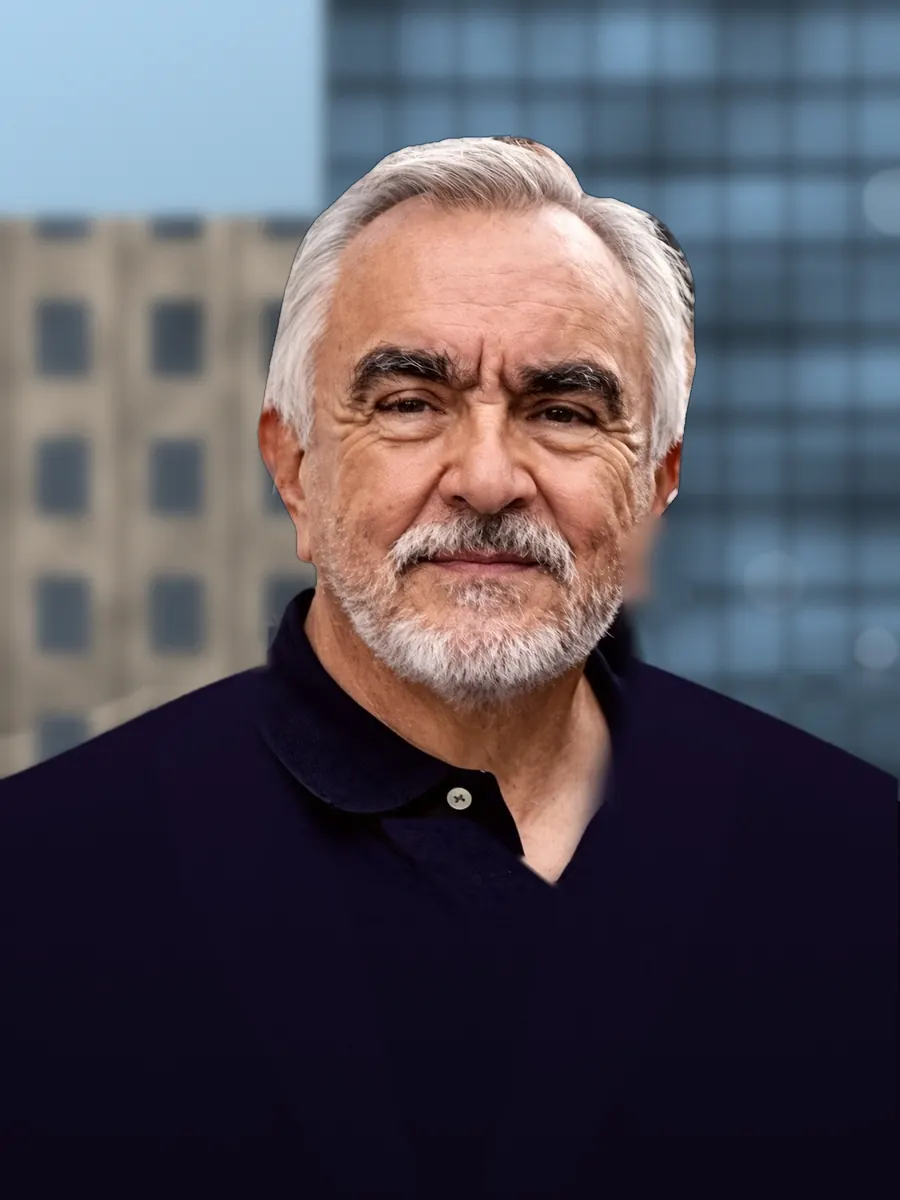
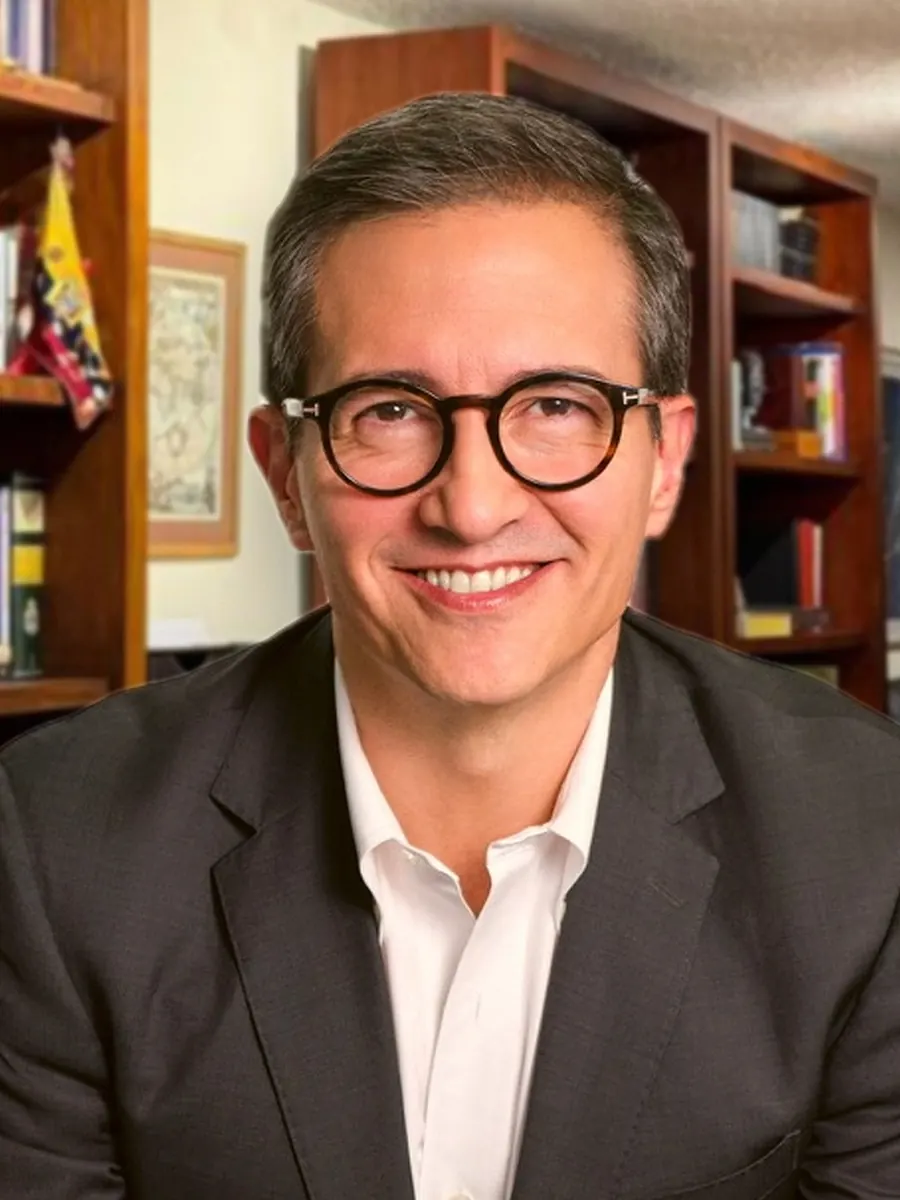
Pedro J. Freile · September 2026
ART 3

The Bridge: What a Geothermal Investor Can Do in Ecuador Today, Without Waiting for the Law

Ecuador has no geothermal law, and a well-made one will take time. The question an investment committee asks is not whether that law will come, but what can be done in the meantime with reasonable legal certainty. The author sets out four moves — a unified institutional ruling, an early electricity title in the 10–100 MW band, partnership with CELEC EP, and a pilot first-well coverage mechanism — all available under the constitutional and legal framework in force, that carry a project to the threshold of drilling and build, along the way, the political case for the law.

Read the article (English)

Ecuador has no geothermal law, and a well-made one will take between eighteen and thirty months. The question an investment committee asks is not whether that law will come, but what can be done in the meantime with reasonable legal certainty. The answer is broader than is usually assumed: four moves, all available under the constitutional and legal framework in force, allow a project to advance to the threshold of drilling and, along the way, to build the political case for the law.

Experienced investors distrust two kinds of lawyer: those who say everything is possible, and those who say nothing is until the law changes. The first is imprudence; the second, convenience. What follows is an attempt to avoid both: an inventory of what Ecuadorian law allows someone who wants to develop a geothermal project to do today, with its legal foundations and its limits explained without embellishment.

The starting point: what exists and what does not

It is worth marking out the ground precisely. In Ecuador, a geothermal generation project is authorised today like any non-conventional renewable energy project, because the Organic Law of the Public Electricity Service (LOSPEE) expressly includes geothermal in that category (art. 3). The title is a generation concession contract granted by the Ministry of Environment and Energy (art. 26 LOSPEE). The resource, by contrast, has no title of its own: geothermal fluid is processed as a productive use of water under the Organic Law of Water Resources, Uses and Exploitation (LORHUyA, arts. 93, 94 and 117). And the exploration phase — the most expensive, the one that decides everything — lacks an exclusive right enforceable against third parties.

That is the gap. But around the gap there is a framework that has changed more in the last thirty months than in the twenty years before, and that a well-advised developer can use.

First move: the unified institutional ruling

Since Executive Decree 94 of 14 August 2025, the former Ministry of Environment, Water and Ecological Transition has been merged with the Ministry of Energy and Mines. The resulting entity, the Ministry of Environment and Energy, now combines three capacities that were previously spread across three offices: it is the National Environmental Authority, the Single Water Authority and the electricity sector authority.

For anyone who knows how permitting works in Latin America, the consequence is obvious: a project that once had to coordinate three ministries with different calendars and criteria now negotiates with one. This is the moment to request in writing a unified institutional ruling — through a formal consultation or a procedural ministerial agreement — that settles three things: how the State classifies the geothermal resource, which route of titles applies, and whether it recognises the explorer's preference in obtaining the authorisation to exploit the resource it discovers.

An administrative ruling is, by nature, revocable, and no bank will mistake it for a law. But it has two virtues: it is immediate, and negotiating it is the best possible laboratory for the articles the law will later make irrevocable. An investor who arrives in Quito with the question "whose is the reservoir I discover?" has today, for the first time, a single window at which to ask it.

Second move: the early electricity title in the 10–100 MW band

Here is the most useful novelty of the current framework, and the least known outside the country. Three rules, read together, opened a route of direct delegation to private initiative for renewable projects not included in the Electricity Master Plan:

The Organic Law of Energy Competitiveness (January 2024) enabled, as a general matter, the delegation of non-conventional renewable energy projects to the private sector.

The General Regulation to the LOSPEE, as amended by Executive Decree 32 (June 2025), introduced a simplified procedure and a 100 MW threshold: below it, direct delegation; above it, a public selection process.

Regulation ARCONEL-005/25 (October 2025) expressly names geothermal and sets, for projects above 10 and up to 100 MW, a preferential price of 14.662 US cents per kilowatt-hour and a preferential term of twenty-five years.

To this was added, in March 2026, the Organic Law for the Strengthening of the Strategic Mining and Energy Sectors, which amended the LOSPEE on three points a financier recognises at once: concessions of up to forty years; an enabling title with the nature of a right in rem — which allows security trusts, assignment of cash flows and encumbrances — and direct agreements with secured creditors, with compensation on early termination. It also exempted from mandatory reversion the assets of private projects outside the Master Plan, which brings the structure of a pure BOOT closer to a BOO.

The practical reading is this: a geothermal project sized in the 10–100 MW band — which is, incidentally, the natural scale of a first plant in any country — can today apply for an enabling title through the simplified procedure, with a fixed date, preferential price and term. That title is not an exploration title; it confers no exclusivity over the reservoir. But, negotiated with milestones conditioned on drilling results, it gives the project what no water title gives it: a legal position vis-à-vis the State with defined economic content.

Two caveats the prudent reader will expect. The law of March 2026 has not been regulated as regards direct agreements and payment guarantees, so these are negotiated today case by case. And that same law faces constitutional challenges before the Constitutional Court, at least one of them admitted for consideration, with neither suspension nor a ruling on the merits to date. Neither fact prevents its use; both advise that contracts include rebalancing clauses for regulatory change.

Third move: partnership with CELEC EP

The risk of exploration tenure — whoever finances exploration has no guarantee of being the one who exploits the reservoir it discovers — admits, until the law resolves it through a right in rem, a mitigation through corporate structure.

The Electricity Corporation of Ecuador, CELEC EP, holds the information and the prior public investment in the country's most advanced prospects — Chachimbiro, with its 2017 exploratory well, and Chacana, among others — and is already evaluating partnership schemes. A partnership agreement with the public company does not remove the regulatory gap, but it neutralises it in the specific case: the counterparty that could claim the reservoir is the same one sitting on the project's side of the table. For an international investor, moreover, partnership with the state company is a familiar form of shared political risk, with precedents in Ecuador's own hydrocarbons sector.

There is an additional benefit worth stating: the transitional provisions of any future geothermal law will have to deal with these prospects that carry prior public investment. Whoever has built a working partnership with CELEC EP before the law will have prefigured, in fact, the regime the law will codify.

Fourth move: the pilot first-well coverage

The instrument with which Kenya, Chile and Mexico convinced their first investors was a drilling-risk mitigation mechanism: if the first well proves dry, part of its cost is covered. In Ecuador that mechanism does not exist, and there is a constitutional reason why it cannot exist in the form of a fund with its own earmarked revenues: art. 298 of the Constitution prohibits the creation of budgetary pre-allocations other than those it lists, and the Organic Code of Planning and Public Finance restricts special funds outside the General State Budget.

But the function can be separated from the garment. A coverage mechanism implemented through a commercial trust, capitalised by a multilateral — the Inter-American Development Bank, CAF or the climate funds, with the Latin American Geothermal Development Facility as the direct regional precedent — and complemented by ordinary budget contributions requires no prior law: an agreement with the multilateral and the decree constituting the trust are enough for a first project. A pilot of that nature can be assembled within six to twelve months.

Demonstrating the mechanism before legislating it is, moreover, the best statement of reasons the law could have.

What these four moves do not do

It would be dishonest to end without saying so. None of the four creates an exclusive exploration title; none makes the water title transferable, which the LORHUyA declares non-transferable (art. 96) and limits to ten years (art. 87); none resolves the open question of art. 407 of the Constitution on prospects that intersect protected areas. Those three things only a law can do, and the law will take its time.

What the four moves do is different, and it is not little: they allow a serious project to advance to drilling with a defined legal position, a public partner, risk coverage and a single interlocutor within the State. And they allow something more, which in a country with Ecuador's legislative record is worth as much as the rest: arriving at the debate on the law with a project under way, not with a promise.

Bridges are built to be crossed, not to be lived on. But while the far bank is being finished, it is as well that the bridge be solid.

Legal references cited. Constitution of the Republic of Ecuador (2008), arts. 298, 313, 316, 318, 407 and 408 · Organic Law of the Public Electricity Service (LOSPEE), arts. 3, 26 and 27 · Organic Law of Energy Competitiveness (Official Register, 11 January 2024) · General Regulation to the LOSPEE (Executive Decree 856), as amended by Executive Decree 32 of 18 June 2025 · Regulation ARCONEL-005/25, approved by Resolution ARCONEL-014/25 (16 October 2025) · Organic Law for the Strengthening of the Strategic Mining and Energy Sectors (Official Register 234, Fifth Supplement, 2 March 2026) · Organic Law of Water Resources, Uses and Exploitation, arts. 87, 93, 94, 96 and 117 · Executive Decree 94 of 14 August 2025 · Organic Code of Planning and Public Finance.

Pedro J. Freile is an independent attorney and CEO of URKO° Energy. This article is for information purposes and does not constitute legal advice on any specific matter. For further information and dedicated advice: pjfreile@urko-energy.com · +593 99 755 0670.

English version prepared from the author's Spanish original for editorial review.

Leer el original (español)

Ecuador no tiene ley geotérmica y una ley bien hecha tomará entre dieciocho y treinta meses. La pregunta que un comité de inversión formula no es si esa ley llegará, sino qué puede hacerse mientras tanto con seguridad jurídica razonable. La respuesta es más amplia de lo que suele suponerse: cuatro movimientos, todos disponibles en el marco constitucional y legal vigente, permiten avanzar un proyecto hasta el umbral de la perforación y, de paso, construir el expediente político de la ley.

Los inversionistas experimentados desconfían de dos clases de abogados: los que dicen que todo es posible y los que dicen que nada lo es hasta que cambie la ley. Lo primero es imprudencia; lo segundo, comodidad. Lo que sigue es un intento de evitar ambas: un inventario de lo que el derecho ecuatoriano permite hacer hoy a quien quiera desarrollar un proyecto geotérmico, con sus fundamentos normativos y sus límites explicados sin adornos.

El punto de partida: qué existe y qué no

Conviene delimitar el terreno con precisión. En Ecuador, un proyecto geotérmico de generación se habilita hoy como cualquier proyecto de energía renovable no convencional, porque la Ley Orgánica del Servicio Público de Energía Eléctrica (LOSPEE) incluye expresamente la geotermia en esa categoría (art. 3). El título es un contrato de concesión de generación otorgado por el Ministerio de Ambiente y Energía (art. 26 LOSPEE). El recurso, en cambio, no tiene título propio: el fluido geotérmico se tramita como aprovechamiento productivo del agua bajo la Ley Orgánica de Recursos Hídricos, Usos y Aprovechamiento del Agua (LORHUyA, arts. 93, 94 y 117). Y la fase de exploración —la más cara, la que decide todo— carece de un derecho exclusivo oponible a terceros.

Ese es el vacío. Pero alrededor del vacío hay un marco que en los últimos treinta meses ha cambiado más que en los veinte años anteriores, y que un promotor bien asesorado puede usar.

Primer movimiento: el criterio institucional unificado

Desde el Decreto Ejecutivo 94, de 14 de agosto de 2025, el antiguo Ministerio del Ambiente, Agua y Transición Ecológica se fusionó con el Ministerio de Energía y Minas. La entidad resultante, el Ministerio de Ambiente y Energía, reúne hoy tres condiciones que antes estaban repartidas en tres despachos: es Autoridad Ambiental Nacional, Autoridad Única del Agua y autoridad sectorial eléctrica.

Para quien conoce la mecánica de los permisos en América Latina, la consecuencia es evidente: un proyecto que antes debía coordinar tres carteras con calendarios y criterios distintos hoy negocia con una sola. Es la ocasión para solicitar por escrito un criterio institucional unificado —mediante consulta formal o acuerdo ministerial de procedimiento— que resuelva tres cosas: cómo califica el Estado el recurso geotérmico, cuál es la ruta de títulos aplicable, y si reconoce al explorador una preferencia para obtener la autorización de aprovechamiento del recurso que descubra.

Un criterio administrativo es, por naturaleza, revocable, y ningún banco lo confundirá con una ley. Pero tiene dos virtudes: es inmediato, y su negociación es el mejor laboratorio posible para el articulado que la ley volverá después irrevocable. Un inversionista que llega a Quito con la pregunta "¿de quién es el reservorio que yo descubra?" tiene hoy, por primera vez, una sola ventanilla a la que dirigirla.

Segundo movimiento: el título eléctrico temprano en la banda de 10 a 100 MW

Aquí está la novedad más útil del marco vigente, y la menos conocida fuera del país. Tres normas, leídas juntas, abrieron una vía de delegación directa a la iniciativa privada para proyectos renovables no incluidos en el Plan Maestro de Electricidad:

La Ley Orgánica de Competitividad Energética (enero de 2024) habilitó con carácter general la delegación de proyectos de energía renovable no convencional al sector privado.

El Reglamento General a la LOSPEE, reformado por Decreto Ejecutivo 32 (junio de 2025), introdujo un procedimiento simplificado y un umbral de 100 MW: por debajo, delegación directa; por encima, proceso público de selección.

La Regulación ARCONEL-005/25 (octubre de 2025) nombra expresamente la geotermia y fija, para proyectos de más de 10 y hasta 100 MW, un precio preferente de 14,662 centavos de dólar por kilovatio-hora y un plazo preferente de veinticinco años.

A esto se sumó, en marzo de 2026, la Ley Orgánica para el Fortalecimiento de los Sectores Estratégicos de Minería y Energía, que reformó la LOSPEE en tres puntos que un financista reconoce de inmediato: concesiones de hasta cuarenta años, título habilitante con naturaleza de derecho real —lo que permite fideicomisos en garantía, cesión de flujos y gravámenes—, y acuerdos directos con acreedores garantizados con compensación por terminación anticipada. Además, exceptuó de la reversión obligatoria los bienes de proyectos privados fuera del Plan Maestro, lo que acerca la estructura de un BOOT puro a un BOO.

La lectura práctica es esta: un proyecto geotérmico dimensionado en la banda de 10 a 100 MW —que es, por cierto, la escala natural de una primera central en cualquier país— puede solicitar hoy un título habilitante por procedimiento simplificado, con fecha cierta, precio y plazo preferentes. Ese título no es un título de exploración; no confiere exclusividad sobre el reservorio. Pero, negociado con hitos condicionados a los resultados de la perforación, da al proyecto lo que ningún título de agua le da: una posición jurídica frente al Estado con contenido económico definido.

Dos advertencias que el lector prudente esperará. La ley de marzo de 2026 no ha sido reglamentada en lo que respecta a los acuerdos directos y las garantías de pago, de modo que hoy se negocian caso por caso. Y esa misma ley enfrenta demandas de inconstitucionalidad ante la Corte Constitucional, al menos una admitida a trámite, sin suspensión ni sentencia de fondo a la fecha. Ninguna de las dos cosas impide usarla; ambas aconsejan que los contratos incluyan cláusulas de reequilibrio ante cambio normativo.

Tercer movimiento: la asociatividad con CELEC EP

El riesgo de tenencia exploratoria —quien financia la exploración no tiene garantía de que será quien explote el reservorio que descubra— admite, mientras la ley no lo resuelva por la vía real, una mitigación por la vía societaria.

La Corporación Eléctrica del Ecuador, CELEC EP, es titular de la información y de la inversión pública previa en los prospectos más avanzados del país —Chachimbiro, con su pozo exploratorio de 2017, y Chacana, entre otros— y evalúa ya esquemas de asociatividad. Un acuerdo de asociación con la empresa pública no elimina el vacío normativo, pero lo neutraliza en el caso concreto: la contraparte que podría reclamar el reservorio es la misma que se sienta del lado del proyecto. Para un inversionista internacional, además, la asociación con la empresa estatal es una forma conocida de riesgo político compartido, con precedentes en el propio sector hidrocarburífero ecuatoriano.

Hay un beneficio adicional que conviene decir: las transitorias de cualquier futura ley geotérmica tendrán que ocuparse de estos prospectos con inversión pública previa. Quien haya construido con CELEC EP una asociación funcional antes de la ley habrá prefigurado, en los hechos, el régimen que la ley codificará.

Cuarto movimiento: el piloto de cobertura del primer pozo

El instrumento con el que Kenia, Chile o México convencieron a sus primeros inversionistas fue un mecanismo de mitigación del riesgo de perforación: si el primer pozo resulta seco, una parte de su costo se cubre. En Ecuador no existe ese mecanismo, y hay una razón constitucional para que no exista bajo la forma de un fondo con rentas propias: el art. 298 de la Constitución prohíbe crear preasignaciones presupuestarias distintas de las que enumera, y el Código Orgánico de Planificación y Finanzas Públicas restringe los fondos especiales fuera del Presupuesto General del Estado.

Pero la función puede separarse del ropaje. Un mecanismo de cobertura instrumentado en un fideicomiso mercantil, capitalizado por un multilateral —el Banco Interamericano de Desarrollo, CAF o los fondos climáticos, con el Geothermal Development Facility latinoamericano como precedente regional directo— y complementado con aportes presupuestarios ordinarios, no requiere ley previa: un convenio con el multilateral y el decreto de constitución de la fiducia bastan para un primer proyecto. Un piloto de esa naturaleza puede armarse en un plazo de seis a doce meses.

Demostrar el mecanismo antes de legislarlo es, además, la mejor exposición de motivos que la ley puede tener.

Lo que estos cuatro movimientos no hacen

Sería deshonesto terminar sin decirlo. Ninguno de los cuatro crea un título exclusivo de exploración; ninguno hace transferible el título de agua, que la LORHUyA declara intransferible (art. 96) y limita a diez años (art. 87); ninguno resuelve la cuestión abierta del art. 407 de la Constitución sobre prospectos que intersequen áreas protegidas. Esas tres cosas solo las hace una ley, y la ley tomará su tiempo.

Lo que los cuatro movimientos hacen es distinto y no es poco: permiten que un proyecto serio avance hasta la perforación con una posición jurídica definida, un socio público, una cobertura de riesgo y un interlocutor único en el Estado. Y permiten algo más, que en un país con el historial legislativo de Ecuador vale tanto como lo anterior: llegar al debate de la ley con un proyecto en marcha, no con una promesa.

Los puentes se construyen para cruzarlos, no para vivir en ellos. Pero mientras la orilla de enfrente se termina, conviene que el puente sea sólido.

Referencias normativas citadas. Constitución de la República del Ecuador (2008), arts. 298, 313, 316, 318, 407 y 408 · Ley Orgánica del Servicio Público de Energía Eléctrica (LOSPEE), arts. 3, 26 y 27 · Ley Orgánica de Competitividad Energética (R.O., 11 de enero de 2024) · Reglamento General a la LOSPEE (D.E. 856), reformado por D.E. 32 de 18 de junio de 2025 · Regulación ARCONEL-005/25, aprobada por Resolución ARCONEL-014/25 (16 de octubre de 2025) · Ley Orgánica para el Fortalecimiento de los Sectores Estratégicos de Minería y Energía (R.O. 234, Quinto Suplemento, 2 de marzo de 2026) · Ley Orgánica de Recursos Hídricos, Usos y Aprovechamiento del Agua, arts. 87, 93, 94, 96 y 117 · Decreto Ejecutivo 94 de 14 de agosto de 2025 · Código Orgánico de Planificación y Finanzas Públicas.

Pedro J. Freile es abogado independiente y CEO de URKO° Energy. Este artículo es de carácter informativo y no constituye asesoría legal sobre un caso concreto. Para más información y asesoría dedicada: pjfreile@urko-energy.com · +593 99 755 0670.

Pedro J. Freile · September 2026
ART 4

Hot Water Is Not Water: The Problem of the Geothermal Title in Ecuador

In Ecuador, the fluid a geothermal explorer finds two thousand metres down is titled, in law, as water. That classification carries three clauses no credit committee accepts — the title is non-transferable, lasts ten years and yields to irrigation and human consumption — and rests on a law the Constitutional Court declared unconstitutional in 2022. The author explains the problem, shows how Chile and Mexico solved it, and points to the window, open this year, through which Ecuador can resolve it at the lowest possible political cost.

Read the article (English)

In Ecuador, the fluid a geothermal explorer finds two thousand metres below the surface is titled, in law, as water. That classification carries three clauses that no credit committee accepts: the title is non-transferable, it lasts ten years, and it yields its turn to irrigation and human consumption. And it rests on a law that the Constitutional Court declared unconstitutional in 2022 and that survives only until the Assembly enacts another. This article explains the problem, shows how Chile and Mexico solved it, and points to the window — open this year — through which Ecuador can resolve it at the lowest possible political cost.

There is a rule of financial practice that every project lawyer learns at his first closing: the bank does not lend against a resource; it lends against a right over the resource. The distinction seems scholastic until the day one discovers that the right cannot be assigned, that it expires before the loan does, or that another user has priority over it. In Ecuadorian geothermal those three things happen at once, and they happen for a reason that is nobody's bad faith: the law that governs the resource was written for something else.

How heat ended up in the water law

Ecuador has no geothermal law. Faced with that gap, the legal order offers three possible classifications of the resource, and only one has textual anchorage.

The first is the mining thesis. Art. 408 of the Constitution vests in the State the inalienable ownership of non-renewable resources and, in general, of the products of the subsoil; the Mining Law governs their concession. But that law deals with mineral substances (arts. 2 and 28), and the definitions in its regulation presuppose solids. A hot fluid fits none of its categories. The Mining Law itself, moreover, refers water to the water authority (arts. 60 and 61). The mining thesis can be discarded, and it is as well that it should be: it would bring with it patents, royalties and timetables designed for another industry.

The second is the sui generis energy thesis: the geothermal resource as a third kind, neither water nor mineral, requiring a law of its own. It is the solution of Chile, Peru and Mexico. In Ecuador there is no rule to support it.

The third — the only one workable today — is the water thesis. The Organic Law of Water Resources, Uses and Exploitation (LORHUyA) does not mention geothermal, but three pieces allow the fit. Art. 93 defines the productive use of water with an open list that includes electricity generation and mineral and medicinal waters. Art. 94, letter c), in ordering priority among productive activities, places third "the generation of hydroelectricity and hydrothermal energy": it is the only express mention in Ecuadorian law of an energy use of hot water. And art. 117 requires a licence from the Single Water Authority for the exploration and tapping of groundwater.

The result is that the geothermal reservoir is titled as water. And water, in Ecuador, has a very particular constitutional status.

The three clauses that strike the financial structure

Art. 318 of the Constitution declares water a strategic national asset for public use, under the inalienable dominion of the State; prohibits its privatisation; requires State authorisation for its productive use; and sets an order of priority: human consumption, irrigation for food sovereignty, ecological flow and, last, productive activities. The LORHUyA develops that mandate with three rules which, applied to a geothermal project, produce effects the law never imagined.

Non-transferability. Art. 96 provides that the authorisation for the use and exploitation of water is non-transferable, with the sole exception of succession on death. For a finance lawyer that means the project's central asset cannot be pledged as security, cannot be assigned to a creditor exercising step-in rights, and does not travel with the sale of the project vehicle. The question also remains open whether the prohibition extends to a change of control of the holder: the law does not say.

Term. Art. 87 sets the term of authorisations for productive activities at up to ten years. An electricity concession today lasts twenty-five years at a preferential price, and up to forty after the 2026 reform. The title over the resource therefore expires two or three times during the life of the title over the activity, and each renewal is a discretionary act.

Subordination. Arts. 86 and 97 apply the constitutional order of priority and mandate the proportional redistribution of flows in times of scarcity. The title is, by design, legally subordinate and revisable. To this are added the water-availability certificate issued by ARCA as a prior requirement, and the discharge authorisation for reinjection of the brine.

None of these rules is unreasonable for irrigation or drinking water. All of them are incompatible with a project that requires between five and thirty million dollars of risk capital before knowing whether the reservoir exists, and several hundred million afterwards.

A law in transitional survival

The picture has an additional layer that a foreign reader must know, because it will not be found in any other country in the region. In Judgment 45-15-IN/22, the Constitutional Court declared the entirety of the LORHUyA and its regulation unconstitutional on procedural grounds, for deficiencies in the pre-legislative consultation that art. 57, paragraph 17, of the Constitution requires for rules affecting collective rights. The Court deferred the effects of its decision: both instruments remain in force until the National Assembly issues a new water law, which to date has not been enacted.

The water title of a geothermal project will therefore be granted under a law formally declared unconstitutional and in a state of transitional survival. A legislative change may alter term, priority and transferability in the middle of the project's life. Any serious contract will need clauses for economic rebalancing in the event of supervening regulatory change; but a bank discounts rebalancing for what it is — a remedy, not a guarantee.

How the others solved it

The jurisdictions in the region that legislated reached the same conclusion: the geothermal resource is a third kind that neither water law nor mining law governs well. Two of their solutions are directly transplantable.

Chile, in Law 19,657 as amended by Law 21,711 of 2024, grants the geothermal concession holder a right ex lege over the waters brought to the surface in exploration and exploitation works. There is no separate water procedure: the water that surfaces with the heat belongs to the title that authorised the search for it. It is the one-stroke solution to what in Ecuador is left to art. 117.

Mexico, in its Geothermal Law, defines the resource as the heat of the subsoil — not the water that carries it — and keeps the water concession as a separate but chained title: once the exploitation application is filed, the water authority must decide within a peremptory period of forty working days. It does not merge the titles; it obliges the second to follow the first.

Peru, in Law 26848, grants an exclusive exploration authorisation for three renewable years and an exploitation concession for thirty, over geothermal energy and fluids as a legal asset in their own right.

Ecuador, in its column of that table, has a non-exclusive licence to explore, an electricity concession to generate, and a non-transferable water title as the right over the resource.

The solution that fits within the Constitution

What no Ecuadorian law can do is evade art. 318: the productive use of water requires State authorisation, and water is not privatised. The realistic solution is not to deny the water title but to integrate it.

A geothermal law can define the resource as the thermal energy of the subsoil, conceptually separating it from the water that serves as its vehicle; it can incorporate the Chilean right ex lege over waters brought to the surface; and it can create a single geothermal title with a built-in water module, issued by the Ministry of Environment and Energy — which since Executive Decree 94 of 2025 is at once the sector authority and the Single Water Authority — with the water component decided within a peremptory period, in the Mexican manner, and with express accessory status: the water module follows the title in every assignment, security or change of control, as an explicit exception to art. 96.

That design carries, however, a temporal servitude that should be stated bluntly. The new water law that the Assembly is obliged to enact by order of the Court is already under construction: the Ministry of Environment and Energy has begun its participatory process. If that law is enacted without a geothermal clause, the problem is reincarnated in a fresh law, and the argument that the geothermal law is special and later is weakened against a water law that is also new.

This year's window

Hence the conclusion, which is less a legal thesis than a portfolio recommendation. Influencing today the draft of the new water law — with three modest pieces: a definition of geothermal fluid, a reference to the future single geothermal title, and a transferability exception for the water module — is probably the reform with the greatest leverage and the lowest political cost available to Ecuadorian geothermal development. It travels inside a law the Assembly has to enact anyway, it requires no sectoral debate of its own, and it resolves in advance the clause that weighs most heavily in the financial model.

Great reforms are rarely achieved in the law that bears their name. They are achieved, often, in a discreet article of someone else's law, drafted by someone who knew what was at stake. Ecuador's hot water is waiting for that article.

Legal references cited. Constitution of the Republic of Ecuador (2008), arts. 57.17, 313, 318 and 408 · Organic Law of Water Resources, Uses and Exploitation (LORHUyA), arts. 86, 87, 93, 94, 96, 97 and 117 · Mining Law, arts. 1, 2, 28, 60 and 61 · Constitutional Court of Ecuador, Judgment 45-15-IN/22 · Executive Decree 94 of 14 August 2025 · Chile: Law 19,657 on geothermal energy concessions, as amended by Law 21,711 (2024) · Mexico: Geothermal Law · Peru: Law 26848, Organic Law of Geothermal Resources · Ministry of Environment and Energy, announcement of the participatory process for the draft Organic Law of Water Resources (2026).

Pedro J. Freile is an independent attorney and CEO of URKO° Energy. This article is for information purposes and does not constitute legal advice on any specific matter.

English version prepared from the author's Spanish original for editorial review.

Leer el original (español)

En Ecuador, el fluido que un explorador geotérmico encuentra a dos mil metros de profundidad se titula, jurídicamente, como agua. Esa calificación arrastra tres cláusulas que ningún comité de crédito acepta: el título es intransferible, dura diez años y cede su turno ante el riego y el consumo humano. Y descansa sobre una ley que la Corte Constitucional declaró inconstitucional en 2022 y que sobrevive solo hasta que la Asamblea dicte otra. Este artículo explica el problema, muestra cómo lo resolvieron Chile y México, y señala la ventana —abierta este año— por la que Ecuador puede resolverlo con el menor costo político posible.

Hay una regla de la práctica financiera que todo abogado de proyectos aprende en su primer cierre: el banco no presta contra un recurso; presta contra un derecho sobre el recurso. La distinción parece escolástica hasta el día en que se descubre que el derecho no puede cederse, que vence antes que el préstamo, o que otro usuario tiene prioridad sobre él. En la geotermia ecuatoriana esas tres cosas ocurren a la vez, y ocurren por una razón que no es la mala fe de nadie: la ley que gobierna el recurso fue escrita para otra cosa.

Cómo llegó el calor a la ley de aguas

Ecuador no tiene ley geotérmica. Ante ese vacío, el ordenamiento ofrece tres calificaciones posibles del recurso, y solo una tiene anclaje textual.

La primera es la tesis minera. El art. 408 de la Constitución atribuye al Estado la propiedad inalienable de los recursos no renovables y, en general, de los productos del subsuelo; la Ley de Minería regula su concesión. Pero esa ley se ocupa de sustancias minerales (arts. 2 y 28), y las definiciones de su reglamento presuponen sólidos. Un fluido caliente no cabe en ninguna de sus categorías. La propia Ley de Minería, además, remite el agua a la autoridad hídrica (arts. 60 y 61). La tesis minera es descartable, y conviene que lo sea: traería consigo patentes, regalías y cronogramas diseñados para otra industria.

La segunda es la tesis energética sui generis: el recurso geotérmico como un tercer género, ni agua ni mineral, que exige ley propia. Es la solución de Chile, Perú y México. En Ecuador no hay norma que la sostenga.

La tercera —la única practicable hoy— es la tesis hídrica. La Ley Orgánica de Recursos Hídricos, Usos y Aprovechamiento del Agua (LORHUyA) no menciona la geotermia, pero tres piezas permiten el encaje. El art. 93 define el aprovechamiento productivo del agua con una lista abierta que incluye la generación eléctrica y las aguas minerales y medicinales. El art. 94, literal c), al ordenar la prioridad entre actividades productivas, coloca en tercer lugar la "generación de hidroelectricidad y energía hidrotérmica": es la única mención expresa que existe en el derecho ecuatoriano a un aprovechamiento energético del agua caliente. Y el art. 117 exige licencia de la Autoridad Única del Agua para la exploración y afloración de aguas subterráneas.

El resultado es que el reservorio geotérmico se titula como agua. Y el agua, en Ecuador, tiene un estatuto constitucional muy particular.

Las tres cláusulas que golpean la estructura financiera

El art. 318 de la Constitución declara el agua patrimonio nacional estratégico de uso público, de dominio inalienable del Estado, prohíbe su privatización, exige autorización estatal para su aprovechamiento productivo y fija un orden de prelación: consumo humano, riego para soberanía alimentaria, caudal ecológico y, en último lugar, actividades productivas. La LORHUyA desarrolla ese mandato con tres reglas que, aplicadas a un proyecto geotérmico, producen efectos que la ley nunca imaginó.

Intransferibilidad. El art. 96 dispone que la autorización para el uso y aprovechamiento del agua es intransferible, con la sola excepción de la sucesión por causa de muerte. Para un abogado de financiamiento eso significa que el activo central del proyecto no puede darse en garantía, no puede cederse al acreedor que ejerce su derecho de sustitución (step-in) y no acompaña a la venta del vehículo del proyecto. Queda abierta, además, la pregunta de si la prohibición alcanza también al cambio de control del titular: la ley no lo dice.

Plazo. El art. 87 fija en hasta diez años el plazo de las autorizaciones para actividades productivas. Una concesión eléctrica dura hoy veinticinco años con precio preferente, y hasta cuarenta tras la reforma de 2026. El título sobre el recurso vence, por tanto, dos o tres veces durante la vida del título sobre la actividad, y cada renovación es un acto discrecional.

Subordinación. Los arts. 86 y 97 aplican la prelación constitucional y ordenan la redistribución proporcional de caudales en escasez. El título es, por diseño, jurídicamente subordinado y revisable. A ello se suman el certificado de disponibilidad del agua que emite la ARCA como requisito previo, y la autorización de vertidos para la reinyección de la salmuera.

Ninguna de estas reglas es irrazonable para el agua de riego o de consumo. Todas son incompatibles con un proyecto que requiere entre cinco y treinta millones de dólares de capital de riesgo antes de saber si el reservorio existe, y varios cientos de millones después.

Una ley en supervivencia transitoria

El cuadro tiene una capa adicional que un lector extranjero debe conocer porque no la encontrará en ningún otro país de la región. En la Sentencia 45-15-IN/22, la Corte Constitucional declaró inconstitucional por la forma la totalidad de la LORHUyA y de su reglamento, por deficiencias en la consulta prelegislativa que el art. 57, numeral 17, de la Constitución exige para las normas que afectan derechos colectivos. La Corte difirió los efectos de su decisión: ambas normas siguen rigiendo hasta que la Asamblea Nacional expida una nueva ley de aguas, que a la fecha no se ha promulgado.

El título de agua de un proyecto geotérmico se otorgará, entonces, bajo una ley formalmente declarada inconstitucional y en régimen de supervivencia transitoria. Un cambio legislativo puede alterar plazos, prelación y transferibilidad a mitad de la vida del proyecto. Cualquier contrato serio deberá contener cláusulas de reequilibrio económico ante cambio normativo sobrevenido; pero un banco descuenta el reequilibrio como lo que es, un remedio, no como una garantía.

Cómo lo resolvieron los demás

Las jurisdicciones de la región que legislaron llegaron a la misma conclusión: el recurso geotérmico es un tercer género que ni el derecho de aguas ni el minero gobiernan bien. Dos de sus soluciones son directamente trasplantables.

Chile, en la Ley 19.657 reformada por la Ley 21.711 de 2024, otorga al concesionario geotérmico un derecho ex lege sobre las aguas alumbradas en los trabajos de exploración y explotación. No hay trámite hídrico separado: el agua que aflora con el calor pertenece al título que autorizó buscarlo. Es la solución de un plumazo a lo que en Ecuador queda entregado al art. 117.

México, en su Ley de Geotermia, define el recurso como el calor del subsuelo —no como el agua que lo transporta— y mantiene la concesión de agua como título separado, pero encadenado: presentada la solicitud de explotación, la autoridad del agua debe resolver en un plazo perentorio de cuarenta días hábiles. No fusiona los títulos; obliga a que el segundo siga al primero.

Perú, en la Ley 26848, otorga autorización exclusiva de exploración por tres años prorrogables y concesión de explotación por treinta, sobre la energía y los fluidos geotérmicos como bien jurídico propio.

Ecuador, en la columna correspondiente de ese cuadro, tiene una licencia sin exclusividad para explorar, una concesión eléctrica para generar y un título de agua intransferible como derecho sobre el recurso.

La solución que cabe en la Constitución

Lo que ninguna ley ecuatoriana puede hacer es eludir el art. 318: el aprovechamiento productivo del agua exige autorización del Estado y el agua no se privatiza. La solución realista no consiste en negar el título hídrico sino en integrarlo.

Una ley geotérmica puede definir el recurso como la energía calórica del subsuelo, separándolo conceptualmente del agua que le sirve de vehículo; puede incorporar el derecho ex lege chileno sobre las aguas alumbradas; y puede crear un título geotérmico único con un módulo hídrico incorporado, emitido por el Ministerio de Ambiente y Energía —que desde el Decreto Ejecutivo 94 de 2025 es a la vez autoridad sectorial y Autoridad Única del Agua—, con resolución del componente de agua en plazo perentorio, al modo mexicano, y con accesoriedad expresa: el módulo hídrico sigue al título en toda cesión, garantía o cambio de control, como excepción explícita al art. 96.

Ese diseño tiene, sin embargo, una servidumbre temporal que conviene decir con crudeza. La nueva ley de aguas que la Asamblea está obligada a dictar por mandato de la Corte ya está en construcción: el Ministerio de Ambiente y Energía inició su proceso participativo. Si esa ley se dicta sin una cláusula geotérmica, el problema se reencarna con una ley fresca, y el argumento de que la ley geotérmica es especial y posterior se debilita frente a una ley de aguas también nueva.

La ventana de este año

De ahí la conclusión, que es menos una tesis jurídica que una recomendación de cartera. Incidir hoy en el proyecto de nueva ley de aguas —con tres piezas modestas: una definición de fluido geotérmico, una remisión al futuro título geotérmico único y una excepción de transferibilidad para el módulo hídrico— es probablemente la reforma de mayor apalancamiento y menor costo político disponible para el desarrollo geotérmico ecuatoriano. Viaja dentro de una ley que la Asamblea tiene que dictar de todos modos, no requiere abrir un debate sectorial propio y resuelve, por anticipado, la cláusula que más pesa en el modelo financiero.

Las grandes reformas rara vez se logran en la ley que lleva su nombre. Se logran, con frecuencia, en un artículo discreto de una ley ajena, redactado por alguien que sabía lo que estaba en juego. El agua caliente de Ecuador espera ese artículo.

Referencias normativas citadas. Constitución de la República del Ecuador (2008), arts. 57.17, 313, 318 y 408 · Ley Orgánica de Recursos Hídricos, Usos y Aprovechamiento del Agua (LORHUyA), arts. 86, 87, 93, 94, 96, 97 y 117 · Ley de Minería, arts. 1, 2, 28, 60 y 61 · Corte Constitucional del Ecuador, Sentencia 45-15-IN/22 · Decreto Ejecutivo 94 de 14 de agosto de 2025 · Chile: Ley 19.657 sobre concesiones de energía geotérmica, reformada por la Ley 21.711 (2024) · México: Ley de Geotermia · Perú: Ley 26848, Ley Orgánica de Recursos Geotérmicos · Ministerio de Ambiente y Energía, anuncio del proceso participativo del proyecto de Ley Orgánica de Recursos Hídricos (2026).

Pedro J. Freile es abogado independiente y CEO de URKO° Energy. Este artículo es de carácter informativo y no constituye asesoría legal sobre un caso concreto.

Pedro J. Freile · September 2026
ART 5

How Not to Pass a Geothermal Law: Lessons in Form from Ecuadorian Law

The key pieces of Ecuador's natural-resources law live today under declarations of unconstitutionality on procedural grounds — the entire water law, the environmental consultation regulation, a ground for delegation in the electricity sector. They were not struck down for what they said, but for how they were passed. A geothermal law that repeats those errors will be born with an expiry date. Written for a reader who is not Ecuadorian, this article sets out the four rules of form such a law must respect, and the five promises no law can make without handing the Court its first article.

Read the article (English)

The key pieces of Ecuador's natural-resources law live today under declarations of unconstitutionality on procedural grounds: the entire water law, the environmental consultation regulation, a ground for delegation in the electricity sector. They were not struck down for what they said, but for how they were passed. A geothermal law that repeats those errors will be born with an expiry date. This article sets out, for a reader who is not Ecuadorian, the four rules of form that a law of this kind must respect, and the five promises that no law can make without handing the Court its first article.

Investors tend to read laws for their content: what rights they create, what terms they set, what guarantees they offer. Constitutional lawyers read them, first, for their form: who proposed them, by what procedure they were passed, who was consulted before the vote. In most countries the second reading is a formality. In Ecuador, over the last decade, it has been the reading that decided the fate of the sector's most important rules.

A record worth knowing

Three decisions of the Constitutional Court define the terrain.

Judgment 45-15-IN/22 declared the entire Organic Law of Water Resources and its regulation unconstitutional on procedural grounds, because the Assembly did not carry out the pre-legislative consultation that art. 57, paragraph 17, of the Constitution requires when a rule may affect the collective rights of communes, communities, peoples and nationalities. The Court deferred the effects: the law remains in force until another is enacted.

Judgment 51-23-IN/23 declared Executive Decree 754, which regulated environmental consultation, unconstitutional on procedural grounds, because that matter is reserved to organic law and cannot be regulated by decree. Here too the effects were deferred, but subject to standards the judgment itself laid down.

Judgment 112-21-IN/25 struck down the ground for delegation in art. 25 of the LOSPEE that allowed generation to be delegated to the private sector "where necessary to satisfy the public interest", as incompatible with the exceptional character that art. 316 of the Constitution imposes on private participation in strategic sectors. The reform of March 2026 had to replace the open clause with a closed list of grounds.

To that record is added the present: the Organic Law for the Strengthening of the Strategic Mining and Energy Sectors, passed in March 2026 through the economic-urgency procedure, is accumulating constitutional challenges — the press counts more than fifty against this year's three urgent laws — at least one of them admitted for consideration, on grounds of procedure and unity of subject matter.

The lesson is uncomfortable for the legislator and valuable for anyone who wants to legislate well: in Ecuador, a law's ambition does not protect it; its procedure does.

Four rules of form

First: pre-legislative consultation. A geothermal law affects collective rights directly: it regulates prior consultation, access to territories and benefit-sharing. It therefore requires pre-legislative consultation under art. 57.17 of the Constitution — precisely the requirement whose omission struck down the water law. There is no shortcut. Consultation takes time, and that time must be budgeted from day one.

Second: never through the urgent procedure. Art. 140 of the Constitution allows the President to send bills classified as urgent in economic matters, which the Assembly must process within thirty days. It is an understandable temptation for anyone who wants results. But a geothermal law is not an economic-urgency law: it is a law organising a resource, with environmental, territorial and collective-rights components. Processing it through that route to save six months exposes the entire text to a procedural challenge. It can lose three years in the Court.

Third: unity of subject matter. The complementary temptation is to hang electricity, mining or tax reforms unrelated to its purpose onto the law. Each of them is an additional constitutional challenge. The law must deal with geothermal and refer everything else to its own instruments.

Fourth: the right vehicle for each piece. Art. 135 of the Constitution reserves to the President the exclusive initiative for bills that create, amend or abolish taxes. Accelerated depreciation of exploration, the treatment of dry wells, VAT in the exploration phase: all of this amends the Internal Tax Regime Law and cannot travel in a bill of parliamentary initiative without contaminating it with an obvious defect. The package must be split in two: the progressive royalty linked to profitability and territorial participation — non-tax revenues — belong in the geothermal law; the tax chapter must be processed as an Executive bill. In the meantime, the Organic Code of Production and investment contracts offer a floor of stability for incentives.

Doing the law well takes, reasonably, between eighteen and thirty months. Doing it fast produces a law that no bank discounts and that the Court can return to zero.

Five promises no law can make

There is, moreover, a perimeter that is not reformed: it is designed around. Five clauses that an ambitious draft would want to include collide with the Constitution and must be rewritten before the first debate, because no legislative majority saves them.

"Automatic" conversion from exploration to exploitation. The concept is correct: nobody drills if the discovery is put up for auction. But the word "automatic" suggests the absence of an administrative act and of control, and in a strategic sector where private delegation is exceptional (art. 316) it is a gift to the challenger. The defensible formulation is the regulated preferential right: once the exploration programme and the commerciality of the discovery are verified, the authority must grant the exploitation concession within a peremptory period, by an act whose refusal can rest only on enumerated grounds. Competitive tendering is exhausted at the allocation of the exploration block. The financial result is identical; the constitutional resilience, far greater.

A risk fund with its own earmarked revenues. Art. 298 prohibits the creation of budgetary pre-allocations other than those it lists. A "geothermal fund" fed by pre-allocated revenues is born unconstitutional. The function is preserved by changing the garment: a first-well coverage mechanism implemented through a commercial trust, with multilateral capital and ordinary budget contributions, which the law authorises the Executive to constitute and which can be piloted even before the law.

Positive administrative silence in environmental or water matters. The Organic Administrative Code already enshrines positive silence as the general rule for administrative procedures, and a one-stop window can rely on it for sectoral matters. But a silence that produces deemed environmental licences or water titles will not survive constitutional review, given the rights of nature and the State's duty of protection. The correct instrument is peremptory deadlines with personal liability for the official.

International investment arbitration. Art. 422 of the Constitution prohibits treaties that cede sovereign jurisdiction to international arbitration bodies in contractual or commercial disputes, save for Latin American regional bodies; and the referendum of April 2024 rejected the question that would have reopened that door. The workable perimeter is well known: domestic arbitration under the Arbitration and Mediation Law, a regional seat where agreed internationally, and investment contracts under the COPCI with an arbitration clause. A title that hints at ICSID is not ambition: it is a gratuitous defect in a law that does not need it.

Guaranteed access to protected areas. The law can and should codify that geothermal is renewable energy and that the prohibition in art. 407 — written for non-renewable resources — does not reach it on its text. What it cannot do is guarantee that the Court, with its pro natura line consolidated in Los Cedros (Judgment 1149-19-JP/21) and Sinangoe (Judgment 273-19-JP/22), will share that reading when faced with deep drilling materially analogous to extractive activity. The question will remain open until a case closes it. The portfolio rule that no law replaces is that the programme must not depend economically on blocks that intersect the National System of Protected Areas.

What a well-made law can do

After this inventory of limits, it is worth recalling that almost the entire architecture of a good geothermal law is legislatively viable in Ecuador: the cadastre of blocks by coordinates; the reconnaissance permit and the exclusive exploration concession with a minimum programme, security and forfeiture for non-performance; the declaration of discovery and of commerciality; long-term exploitation — the 2026 reform already admits electricity concessions of up to forty years; the geothermal title as an administrative right in rem, transferable and pledgeable, with its own package of assignment, security and creditor substitution; easements with compensation under art. 323; the regime of information and confidentiality; and a one-stop window institutionalised by law in the Ministry of Environment and Energy, which today exists only by decree and is reversible by decree.

None of that collides with any higher rule. It simply does not exist, and creating it is the function of the law.

A law is measured, in the end, not by what it promises in its statement of reasons but by what it withstands in the Court ten years later. Ecuador has learned that lesson the expensive way. It now has the uncommon opportunity to apply it before making the mistake.

Legal references cited. Constitution of the Republic of Ecuador (2008), arts. 57.17, 135, 140, 298, 313, 316, 323, 407 and 422 · Constitutional Court of Ecuador, Judgments 45-15-IN/22 (LORHUyA), 51-23-IN/23 (environmental consultation, Executive Decree 754), 112-21-IN/25 (ground for delegation, art. 25 LOSPEE), 1149-19-JP/21 (Los Cedros) and 273-19-JP/22 (A'i Cofán of Sinangoe) · Organic Law of the Public Electricity Service, art. 25 · Organic Law for the Strengthening of the Strategic Mining and Energy Sectors (Official Register 234, Fifth Supplement, 2 March 2026) · Organic Administrative Code · Organic Code of Production, Trade and Investment (COPCI) · Arbitration and Mediation Law · Organic Law for the Strengthening of Protected Areas (Official Register Supp. 80, 14 July 2025).

Pedro J. Freile is an independent attorney and CEO of URKO° Energy. This article is for information purposes and does not constitute legal advice on any specific matter.

English version prepared from the author's Spanish original for editorial review.

Leer el original (español)

Las piezas clave del derecho ecuatoriano de los recursos naturales viven hoy bajo declaratorias de inconstitucionalidad por la forma: la ley de aguas entera, el reglamento de consulta ambiental, una causal de delegación eléctrica. No fueron anuladas por lo que decían, sino por cómo se aprobaron. Una ley geotérmica que repita esos errores nacerá con fecha de caducidad. Este artículo expone, para un lector que no es ecuatoriano, las cuatro reglas de forma que una ley de este tipo debe respetar, y las cinco promesas que ninguna ley puede hacer sin regalar a la Corte su primer artículo.

Los inversionistas suelen leer las leyes por su contenido: qué derechos crean, qué plazos fijan, qué garantías ofrecen. Los abogados constitucionalistas las leen, primero, por su forma: quién las propuso, por qué vía se tramitaron, a quién se consultó antes de votarlas. En la mayoría de los países la segunda lectura es un formalismo. En Ecuador, en la última década, ha sido la lectura que decidió el destino de las normas más importantes del sector.

Un historial que conviene conocer

Tres decisiones de la Corte Constitucional definen el terreno.

La Sentencia 45-15-IN/22 declaró inconstitucional por la forma la totalidad de la Ley Orgánica de Recursos Hídricos y de su reglamento, porque la Asamblea no cumplió la consulta prelegislativa que el art. 57, numeral 17, de la Constitución exige cuando una norma puede afectar derechos colectivos de comunas, comunidades, pueblos y nacionalidades. La Corte difirió los efectos: la ley sigue rigiendo hasta que se dicte otra.

La Sentencia 51-23-IN/23 declaró inconstitucional por la forma el Decreto Ejecutivo 754, que regulaba la consulta ambiental, porque esa materia está sujeta a reserva de ley orgánica y no puede regularse por decreto. También aquí los efectos se difirieron, pero condicionados a estándares que la propia sentencia fijó.

La Sentencia 112-21-IN/25 anuló la causal de delegación del art. 25 de la LOSPEE que permitía delegar la generación al sector privado "cuando fuera necesario para satisfacer el interés público", por incompatible con la excepcionalidad que el art. 316 de la Constitución impone a la participación privada en sectores estratégicos. La reforma de marzo de 2026 tuvo que sustituir la cláusula abierta por un catálogo cerrado de causales.

A ese historial se suma el presente: la Ley Orgánica para el Fortalecimiento de los Sectores Estratégicos de Minería y Energía, aprobada en marzo de 2026 por la vía económica urgente, acumula demandas de inconstitucionalidad —la prensa registra más de cincuenta contra las tres leyes urgentes de este año—, al menos una admitida a trámite, por su procedimiento y su unidad de materia.

La lección es incómoda para el legislador y valiosa para quien quiera legislar bien: en Ecuador, la ambición de una ley no la protege; su procedimiento sí.

Cuatro reglas de forma

Primera: consulta prelegislativa. Una ley geotérmica afecta derechos colectivos de manera directa: regula la consulta previa, el acceso a territorios y la participación en beneficios. Exige, por tanto, consulta prelegislativa conforme al art. 57.17 de la Constitución, exactamente el requisito cuya omisión anuló la ley de aguas. No hay atajo. La consulta toma tiempo, y ese tiempo debe presupuestarse desde el primer día.

Segunda: nunca por la vía urgente. El art. 140 de la Constitución permite al Presidente enviar proyectos de ley calificados de urgentes en materia económica, que la Asamblea debe tramitar en treinta días. Es una tentación comprensible para quien quiere resultados. Pero una ley geotérmica no es una ley de urgencia económica: es una ley de organización de un recurso, con componentes ambientales, territoriales y de derechos colectivos. Tramitarla por esa vía para ahorrar seis meses expone la totalidad del texto a una impugnación por procedimiento. Puede perder tres años en la Corte.

Tercera: unidad de materia. La tentación complementaria es colgarle a la ley reformas eléctricas, mineras o tributarias ajenas a su objeto. Cada una de ellas es una demanda adicional de inconstitucionalidad. La ley debe ocuparse de la geotermia y remitir lo demás a sus instrumentos propios.

Cuarta: el vehículo correcto para cada pieza. El art. 135 de la Constitución reserva al Presidente la iniciativa exclusiva de los proyectos que crean, modifican o suprimen impuestos. Amortización acelerada de la exploración, tratamiento de pozos secos, IVA en fase exploratoria: todo eso reforma la Ley de Régimen Tributario Interno y no puede viajar en una ley de iniciativa parlamentaria sin contaminarla de un vicio evidente. El paquete debe partirse en dos: la regalía progresiva vinculada a rentabilidad y la participación territorial —ingresos no tributarios— caben en la ley geotérmica; el capítulo tributario debe tramitarse como proyecto del Ejecutivo. Mientras tanto, el Código Orgánico de la Producción y los contratos de inversión ofrecen un piso de estabilidad de incentivos.

Hacer la ley bien cuesta, razonablemente, entre dieciocho y treinta meses. Hacerla rápido produce una ley que ningún banco descuenta y que la Corte puede devolver a cero.

Cinco promesas que ninguna ley puede hacer

Hay además un perímetro que no se reforma: se diseña alrededor. Cinco cláusulas que un anteproyecto ambicioso querría incluir chocan contra la Constitución y deben reescribirse antes del primer debate, porque ninguna mayoría legislativa las salva.

Conversión "automática" de exploración a explotación. El concepto es correcto: nadie perfora si el descubrimiento se subasta. Pero la palabra "automática" sugiere ausencia de acto administrativo y de control, y en un sector estratégico donde la delegación privada es excepcional (art. 316) es un regalo al impugnante. La formulación defendible es el derecho preferente reglado: verificado el programa de exploración y la comercialidad del descubrimiento, la autoridad debe otorgar la concesión de explotación dentro de un plazo perentorio, mediante acto cuya negativa solo puede fundarse en causales tasadas. La concurrencia competitiva se agota en la asignación del bloque de exploración. El resultado financiero es idéntico; la resistencia constitucional, muy superior.

Un fondo de riesgo con rentas propias. El art. 298 prohíbe crear preasignaciones presupuestarias distintas de las que enumera. Un "fondo geotérmico" alimentado por rentas preasignadas nace inconstitucional. La función se conserva cambiando el ropaje: un mecanismo de cobertura del primer pozo instrumentado en fideicomiso mercantil, con capital multilateral y aportes presupuestarios ordinarios, que la ley autoriza al Ejecutivo a constituir y que puede pilotearse incluso antes de la ley.

Silencio administrativo positivo en materia ambiental o hídrica. El Código Orgánico Administrativo ya consagra el silencio positivo como regla general de los procedimientos administrativos, y una ventanilla única puede apoyarse en él para lo sectorial. Pero un silencio que produzca licencias ambientales o títulos de agua fictos no sobrevivirá al control constitucional, mediando los derechos de la naturaleza y el deber de tutela del Estado. El instrumento correcto son plazos perentorios con responsabilidad personal del funcionario.

Arbitraje internacional de inversiones. El art. 422 de la Constitución prohíbe los tratados que cedan jurisdicción soberana a instancias de arbitraje internacional en controversias contractuales o comerciales, salvo instancias regionales latinoamericanas; y el referéndum de abril de 2024 rechazó la pregunta que habría reabierto esa puerta. El perímetro practicable es conocido: arbitraje nacional bajo la Ley de Arbitraje y Mediación, sede regional cuando se pacte internacionalmente y contratos de inversión al amparo del COPCI con cláusula arbitral. Un título que insinúe CIADI no es ambición: es un vicio gratuito en una ley que no lo necesita.

Garantía de acceso a áreas protegidas. La ley puede y debe codificar que la geotermia es energía renovable y que la prohibición del art. 407 —escrita para recursos no renovables— no la alcanza textualmente. Lo que no puede es garantizar que la Corte, con su línea pro natura consolidada en Los Cedros (Sentencia 1149-19-JP/21) y Sinangoe (Sentencia 273-19-JP/22), comparta esa lectura frente a perforaciones profundas materialmente análogas a la actividad extractiva. La cuestión seguirá abierta hasta que un caso la cierre. La regla de cartera que ninguna ley sustituye es que el programa no debe depender económicamente de bloques que intersequen el Sistema Nacional de Áreas Protegidas.

Lo que sí puede hacer una ley bien hecha

Después de este inventario de límites, conviene recordar que casi toda la arquitectura de una buena ley geotérmica es legislativamente viable en Ecuador: el catastro de bloques por coordenadas; el permiso de reconocimiento y la concesión exclusiva de exploración con programa mínimo, garantía y caducidad por incumplimiento; la declaración de descubrimiento y de comercialidad; la explotación de larga duración —la reforma de 2026 ya admite concesiones eléctricas de hasta cuarenta años—; el título geotérmico como derecho real administrativo, transferible y caucionable, con su propio paquete de cesión, garantías y sustitución de acreedores; las servidumbres con indemnización conforme al art. 323; el régimen de información y confidencialidad; y una ventanilla única institucionalizada por ley en el Ministerio de Ambiente y Energía, que hoy existe solo por decreto y es reversible por decreto.

Nada de eso colisiona con norma superior. Simplemente no existe, y crearlo es la función de la ley.

Una ley se mide, en última instancia, no por lo que promete en su exposición de motivos sino por lo que resiste en la Corte diez años después. Ecuador ha aprendido esa lección de la manera costosa. Tiene ahora la oportunidad, poco frecuente, de aplicarla antes de cometer el error.

Referencias normativas citadas. Constitución de la República del Ecuador (2008), arts. 57.17, 135, 140, 298, 313, 316, 323, 407 y 422 · Corte Constitucional del Ecuador, Sentencias 45-15-IN/22 (LORHUyA), 51-23-IN/23 (consulta ambiental, D.E. 754), 112-21-IN/25 (causal de delegación, art. 25 LOSPEE), 1149-19-JP/21 (Los Cedros) y 273-19-JP/22 (A'i Cofán de Sinangoe) · Ley Orgánica del Servicio Público de Energía Eléctrica, art. 25 · Ley Orgánica para el Fortalecimiento de los Sectores Estratégicos de Minería y Energía (R.O. 234, Quinto Suplemento, 2 de marzo de 2026) · Código Orgánico Administrativo · Código Orgánico de la Producción, Comercio e Inversiones (COPCI) · Ley de Arbitraje y Mediación · Ley Orgánica para el Fortalecimiento de las Áreas Protegidas (R.O. Sup. 80, 14 de julio de 2025).

Pedro J. Freile es abogado independiente y CEO de URKO° Energy. Este artículo es de carácter informativo y no constituye asesoría legal sobre un caso concreto.

Pedro J. Freile · September 2026
References

Editorial sources and useful links.

Every figure and statement on this website is drawn from the sources listed below, which are cited in good faith under the right of quotation. Institutional documents that are not available online are cited as documents. The links in the second part are provided for the convenience of visitors and point only to official or institutional sites; they were last verified on 13 September 2026.

Editorial sources

  1. [1] INECEL and OLADE (1979–1980). National geothermal reconnaissance of Ecuador, Andean Cordillera; identification of three high-enthalpy and three medium/low-enthalpy priority areas. As reported in Lloret & Labus (2014) and INE (1988).
  2. [2] Instituto Nacional de Energía, INE (1988). Estado actual y perspectivas de la geotermia de media y baja entalpía en el Ecuador. Dirección de Desarrollo Energético, Quito, October 1988 (institutional report).
  3. [3] OLADE and Inter-American Development Bank (1994). Guía para Estudios de Reconocimiento y Prefactibilidad Geotérmicos. Quito, April 1994. ISBN 9978-70-049-8.
  4. [4] Beate, B. (2011). Geoquímica de Fluidos: Chachimbiro y Chacana. SYR – Servicios y Remediación S.A. for CELEC EP, prefeasibility study, 2011 (technical presentation).
  5. [5] Hall, M. and Mothes, P. (2011). El Complejo Caldérico de Chacana, Ecuador. SYR – Servicios y Remediación S.A. for CELEC EP (technical presentation).
  6. [6] Instituto Nacional de Eficiencia Energética y Energías Renovables, INER (2014). Evaluación Preliminar del Sistema Geotermal de Baños de Cuenca. Quito, May 2014.
  7. [7] Lloret, A. and Labus, J. (2014). Geothermal Development in Ecuador: History, Current Status and Future. UNU-GTP and LaGeo Short Course VI, Santa Tecla, El Salvador, 23–29 March 2014. Link
  8. [8] Beate, B., Urquizo, M., Lloret, A., Acosta, M. and Angulo, E. (2023). Geothermal Country Update Ecuador 2020–2023. Proceedings of the World Geothermal Congress 2023, Beijing. International Geothermal Association, paper 1522. Link
  9. [9] CGS (2013). Estudio de prefactibilidad del modelo geotérmico integral de la Caldera de Chalpatán. Prepared for the Instituto Nacional de Preinversión, Ecuador. As cited in Lloret & Labus (2014).
  10. [10] Almeida, E. (1990); Aguilera, E. (2010); Beate, B. (2010), Plan Nacional Geotérmico. Surface-based resource estimates for Tufiño, Chalupas, Chachimbiro and Chacana, as cited in Lloret & Labus (2014).
  11. [11] Rivadeneira, M. and Baby, P. (2004). Características geológicas generales de los principales campos petroleros de Petroproducción. In La Cuenca Oriente: geología y petróleo, IRD – Petroproducción/Petroecuador, pp. 229–295 (regional geological context).
  12. [12] Republic of Ecuador. Executive Decree No. 32 of 15 June 2025, Official Register Supplement No. 62 of 18 June 2025 (self-generation obligations for large consumers). Consolidated text incorporated in the General Regulation to the LOSPEE published by ARCONEL. Link
  13. [13] CENACE – Operador Nacional de Electricidad and Ministerio de Ambiente y Energía (2025–2026). Public operating and capacity statements on the dry-season supply gap and industrial self-generation. Link
  14. [14] CELEC EP (2017). Exploration well PEC-1, Chachimbiro geothermal project: temperature of 235 °C at 1,978 m, as reported in Beate et al. (2023), Table 6.
  15. [15] S&P Global Ratings (14 August 2026). Sovereign rating action on the Republic of Ecuador: long-term rating raised to B, outlook stable (public rating announcement).
  16. [16] URKO° ENERGY (2026). Brand kit, corporate texts and leadership profiles; project sheets and Ecuador section prepared by URKO° Energy from the sources above.
  17. [17] CENACE – Operador Nacional de Electricidad and CND – Centro Nacional de Despacho (Colombia), daily interconnection reports for August–September 2026, as reported by Radio Pichincha and KCH FM (8 September 2026, "El precio de la energía colombiana se triplica y llega a casi USD 90 centavos kilovatio hora"), El Diario (8 September 2026, "Colombia cambia las reglas y los precios para la venta de energía a Ecuador") and Primicias (9 September 2026). Price of USD 0.8799/kWh on 7 September 2026 against about USD 0.33/kWh on 5 August and an August average of USD 0.39/kWh; CREG Circular 343 of 5 September 2026 and Resolution CREG 101 127 of 27 August 2026 on export priority; suspension of purchases by CENACE on 7 September 2026.
  18. [18] EP Petroecuador (2026). Estructura de precios de venta en terminal, period 12 September – 11 October 2026: Diesel Premium, industrial sector, USD 5.189893 per gallon including 15% VAT; Diesel 2, industrial sector, USD 4.602875 per gallon. Retail price of subsidised Diesel Premium USD 3.15 per gallon for the same period (Primicias, 11 September 2026). EP Petroecuador statement of 9 September 2026 on increased Diesel 2 demand for industrial self-generation (El Diario). The USD 0.35–0.40/kWh fuel-cost estimate is URKO° arithmetic at 13–15 kWh per gallon, typical of medium-speed diesel gensets.
  19. [19] ARCONEL (2025). Regulation ARCONEL-005/25, approved by Resolution ARCONEL-014/25 of 16 October 2025: preferential price of 14.662 US cents per kWh and preferential term of twenty-five years for non-conventional renewable projects, geothermal expressly included, above 10 MW and up to 100 MW.

Ecuador — useful links

External links open in a new window. URKO° does not control and is not responsible for the content of third-party sites; see the Legal notice.